How Online Speculation and Privacy Breaches Impact Public Figures
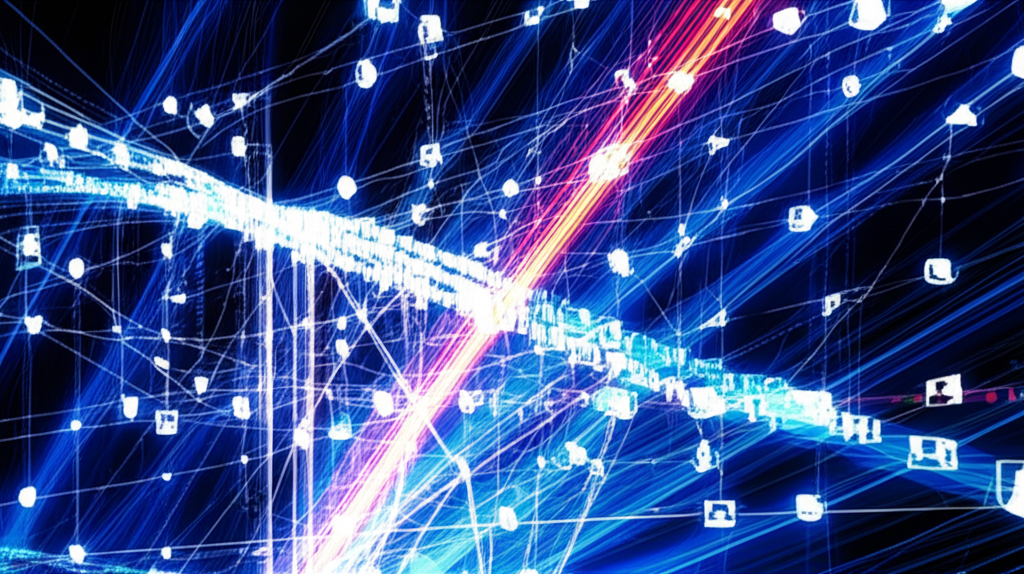
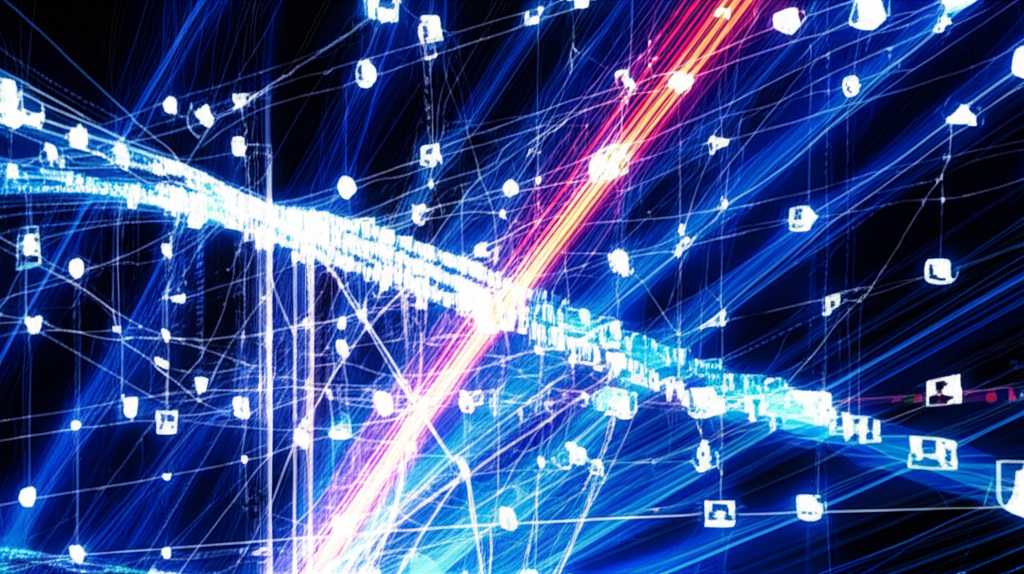
In today’s hyperconnected world, public figures—celebrities, politicians, athletes, and influencers—are constantly under the digital microscope. A single rumor, unverified claim, or leaked detail can spread across platforms in minutes, amplified by algorithms designed to prioritize engagement over accuracy. This digital wildfire often begins innocuously: a cryptic social media post, an out-of-context photo, or a speculative news headline. But once ignited, it’s nearly impossible to contain. The illustration above captures the essence of this phenomenon—a digital landscape pulsing with data streams and interconnected nodes, symbolizing how fast information travels and how speculation can evolve into perceived truth, regardless of its validity.
The Personal Cost of Digital Exposure
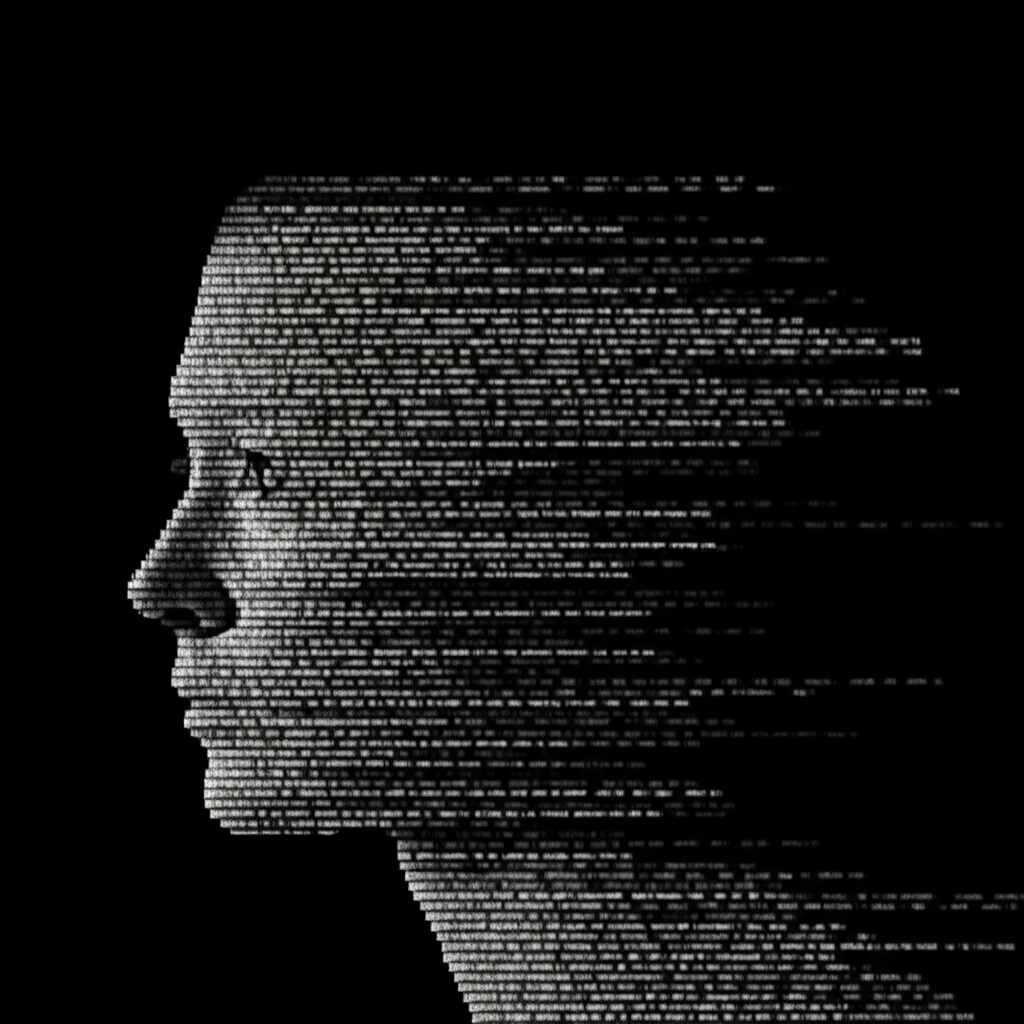
Behind every headline is a human being. The emotional and psychological toll of public scrutiny can be devastating, especially when private details are exposed without consent. Imagine receiving hundreds of notifications every hour—some supportive, many critical—all dissecting aspects of your life you never intended to share. This constant invasion erodes mental well-being, damages personal relationships, and can even affect professional opportunities. When private information is weaponized, whether through data leaks, doxxing, or malicious rumors, the impact goes far beyond reputation. It undermines a person’s sense of safety and autonomy. The image above reflects this reality: a figure’s silhouette distorted by an avalanche of digital noise, illustrating how overwhelming and dehumanizing online exposure can become.
Protecting Privacy in an Age of Information Overload
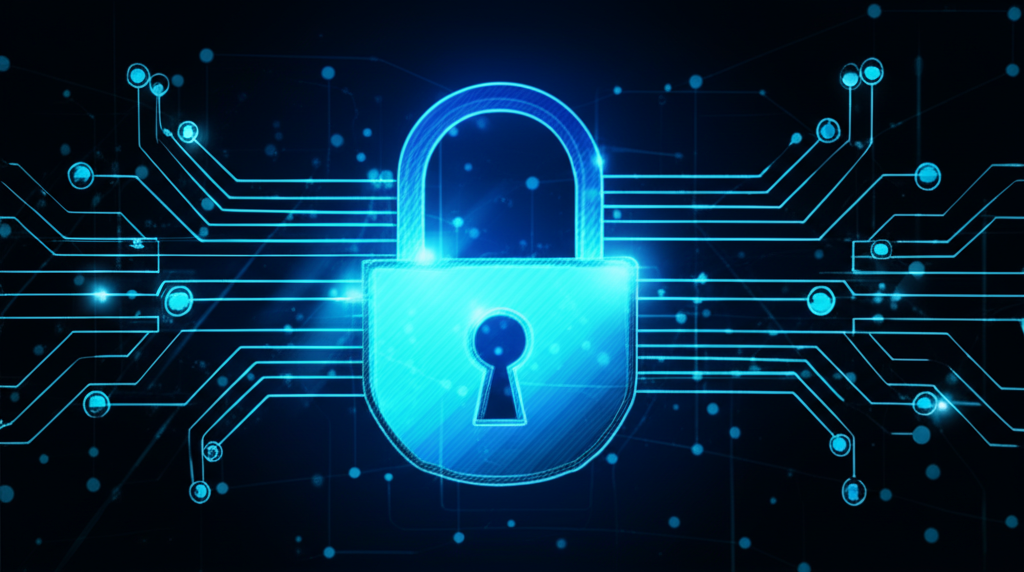
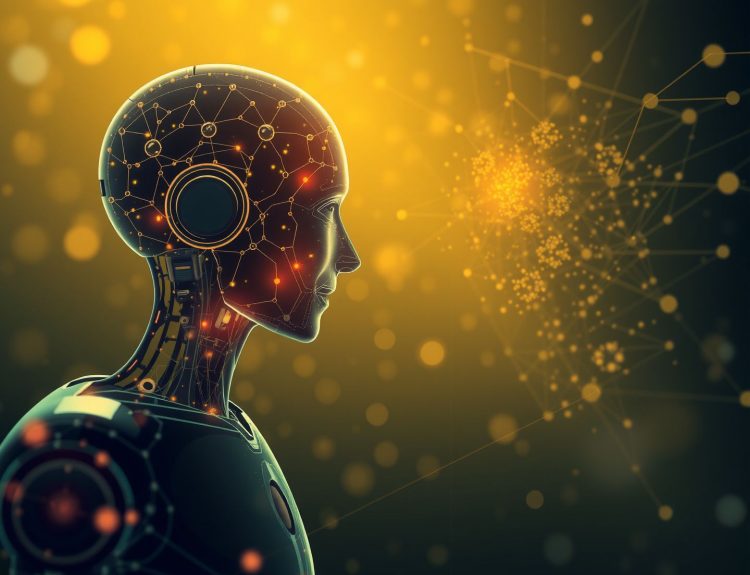
Safeguarding personal information isn’t just a concern for the famous—it’s a necessity for everyone navigating the digital world. Strong passwords, two-factor authentication, encrypted messaging, and mindful sharing are foundational steps in maintaining online privacy. For public figures, the stakes are higher. Many employ digital security teams, use pseudonyms for personal accounts, or avoid posting location data altogether. But even with precautions, vulnerabilities remain. Data brokers, social engineering, and platform breaches can expose details without warning. This is why robust cybersecurity measures and public awareness are critical. The visual above—a protective digital shield guarding personal data within a complex network—emphasizes the importance of proactive defense. Privacy isn’t about hiding; it’s about control.
Promoting Digital Literacy and Responsible Engagement
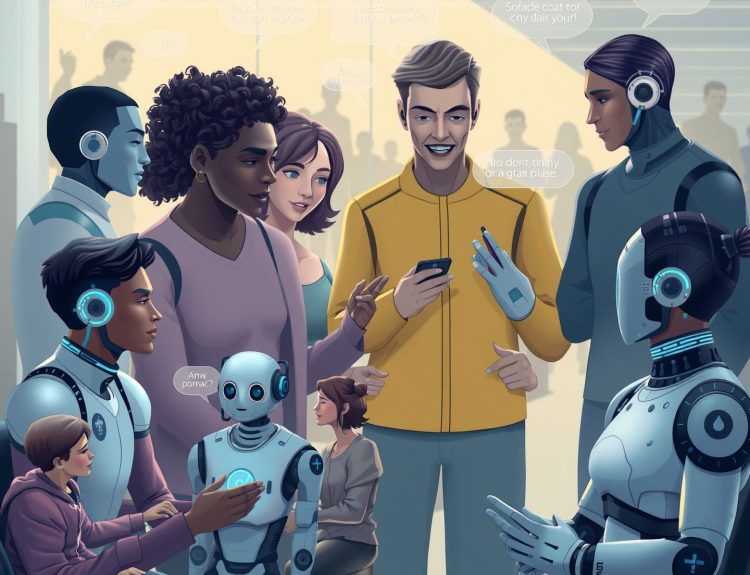
Combatting misinformation and protecting privacy starts with the audience. Every time someone shares, comments on, or reacts to unverified content, they contribute to its reach. Digital literacy—the ability to evaluate sources, recognize bias, and verify claims—has become an essential skill. Schools, media outlets, and tech companies are increasingly investing in programs that teach users how to navigate online spaces responsibly. Verified badges, fact-checking labels, and algorithmic transparency are small but meaningful steps toward accountability. The final image shows diverse individuals engaging thoughtfully with holographic displays, symbolizing a future where informed decisions replace impulsive reactions. When users prioritize truth over virality, the digital ecosystem becomes healthier for everyone.
Frequently Asked Questions
What are common sources of online speculation about public figures?
Rumors often originate from paparazzi photos, leaked documents, social media activity, or anonymous tips. Tabloids, fan forums, and viral tweets can rapidly escalate unconfirmed details into widespread narratives.
How do privacy breaches affect mental health?
Unauthorized exposure of personal information can lead to anxiety, depression, and feelings of helplessness. Public figures may experience isolation, fear of judgment, or pressure to respond, even when they’re not ready.
What steps can individuals take to protect their online privacy?
Use strong, unique passwords, enable two-factor authentication, limit data sharing on social platforms, review app permissions, and avoid clicking on suspicious links. Consider using a virtual private network (VPN) for added security.
Why is digital literacy important for reducing misinformation?
Digital literacy empowers users to distinguish credible sources from unreliable ones. It encourages critical thinking, reduces the spread of false information, and promotes responsible online behavior.
Can public figures completely control their digital footprint?
Complete control is nearly impossible in today’s environment. However, consistent privacy practices, legal recourse for data misuse, and proactive reputation management can significantly reduce risks.