Revolutionizing Content Creation: The Power of AI-Driven Tools
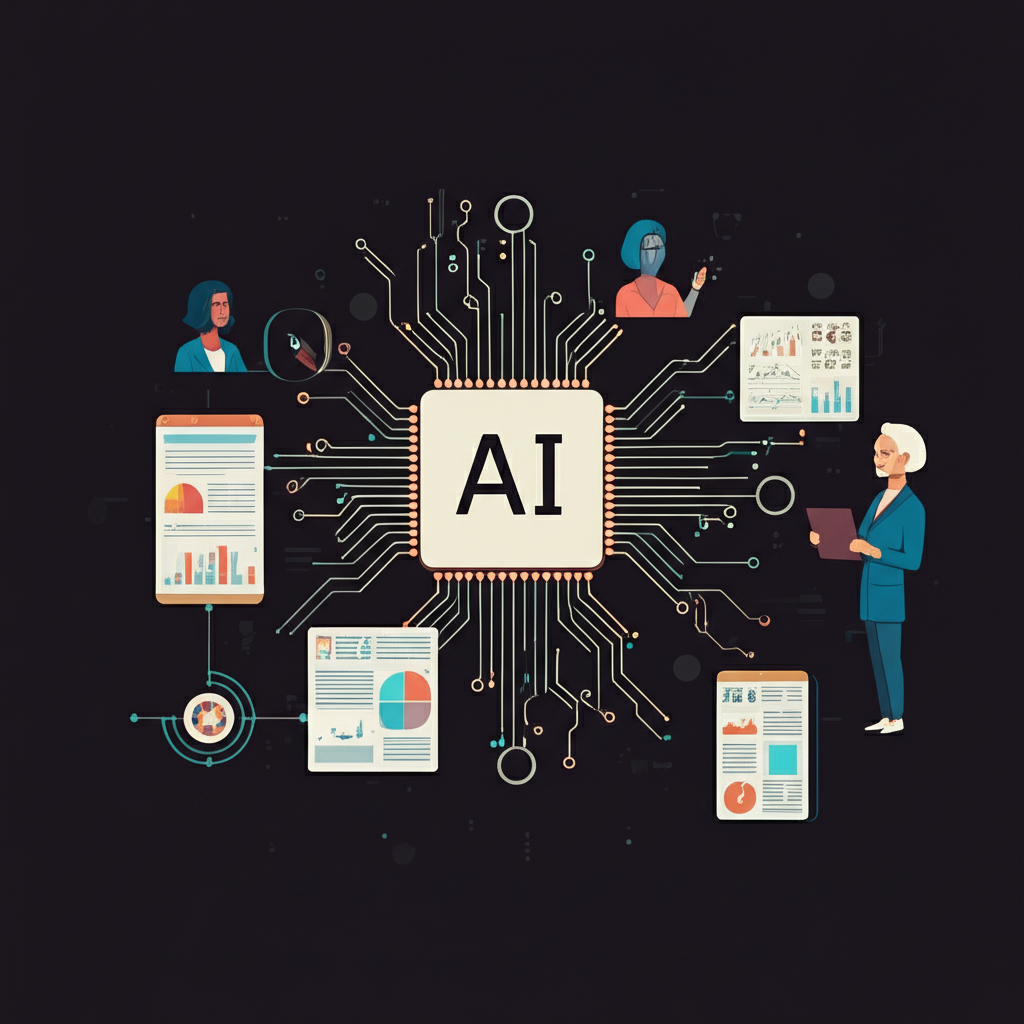
In today’s digital-first world, content continues to reign as the cornerstone of brand engagement. But the way we create it is shifting—fast. The pressure to produce high-quality, relevant, and consistent content across multiple platforms has never been greater. Marketers, writers, and content strategists are turning to artificial intelligence not just to keep up, but to transform their entire workflow. AI is no longer a futuristic concept; it’s a practical force driving innovation in content creation. From generating compelling copy to optimizing for search engines and personalizing user experiences, AI tools are enabling teams to scale faster, reach further, and connect more meaningfully with their audiences.
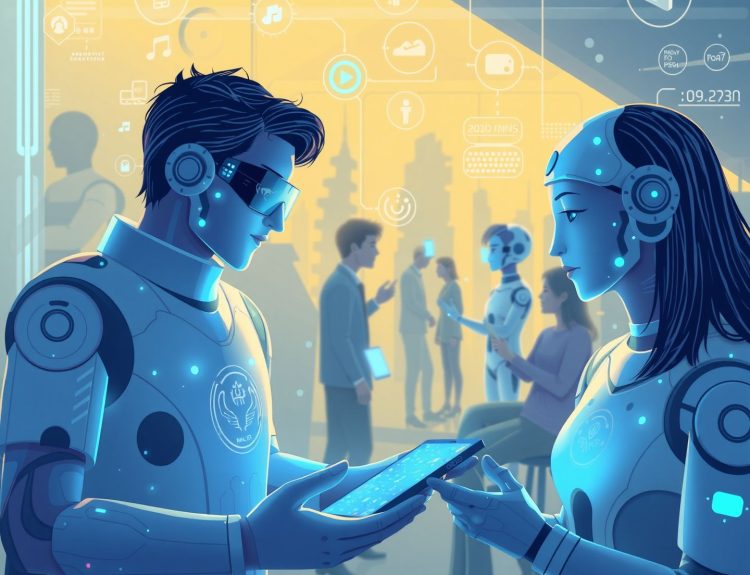
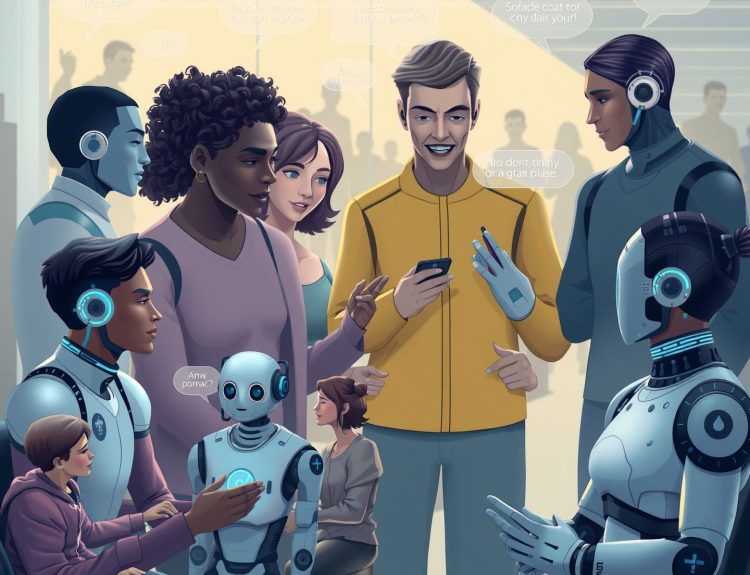
This evolution isn’t about replacing human creativity. It’s about amplifying it. With AI handling repetitive tasks and data-heavy processes, content professionals can focus on strategy, storytelling, and emotional resonance—areas where human insight remains irreplaceable. The result? A smarter, faster, and more impactful approach to content that combines the best of machine efficiency and human ingenuity.
The Evolution of Content Creation
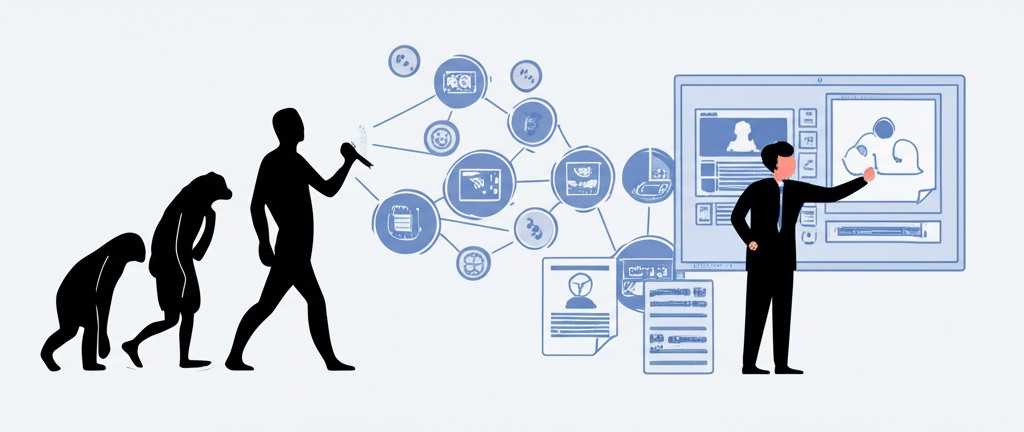
For decades, content creation was a hands-on, time-consuming process. Writers researched, drafted, and revised. Marketers planned campaigns around limited resources and long production timelines. Even with the rise of digital tools, the core of content development remained rooted in manual effort. Early automation helped with scheduling and analytics, but the creative engine still ran on human labor.
That changed with the emergence of advanced AI technologies. Machine learning, natural language processing (NLP), and generative AI models like large language models (LLMs) have redefined what’s possible. These systems can now analyze vast amounts of data, understand context, detect sentiment, and generate original, coherent text that reads as if it were written by a skilled professional. In some cases, AI-generated content is optimized more effectively for SEO, readability, or audience engagement than human-only output.
We’re no longer in an era where AI simply assists. We’re in a new phase—one defined by collaboration. The most successful content teams today operate in a hybrid model: humans set the vision, define the voice, and ensure authenticity, while AI accelerates production, enhances precision, and unlocks scalability. This symbiotic relationship is reshaping the content landscape, making it possible to do more, faster, and with greater impact.
Key Benefits of AI in Content Generation
AI is not just changing how we create content—it’s redefining what we can achieve. By integrating AI into content workflows, businesses gain access to capabilities that were once out of reach for all but the largest teams.
Enhancing Efficiency and Output

Time is one of the most valuable resources in content creation. AI slashes the hours spent on routine tasks. Need five variations of a social media caption? Done in seconds. A 1,000-word blog post based on a keyword cluster? Generated in minutes. AI can summarize long-form content, extract key insights, and even suggest headlines or meta descriptions—all without fatigue.
The numbers speak for themselves. According to a report by Statista, 77% of marketers using AI in content creation report significant gains in efficiency. This isn’t just about speed; it’s about capacity. Teams can now produce more content across more channels without hiring more people. Tasks like keyword research, topic ideation, and initial drafting—once bottlenecks—are now automated, allowing human creators to focus on refinement, strategy, and high-level decision-making.
For example, an e-commerce brand can use AI to generate product descriptions for hundreds of SKUs in minutes, ensuring consistency and SEO optimization. A B2B company can produce whitepapers, case studies, and email sequences at scale, tailored to different buyer personas. The result is a leaner, more agile content operation that delivers more value with fewer constraints.
Driving Personalization at Scale
Consumers don’t want generic messages. They expect content that speaks directly to their needs, interests, and behaviors. Personalization is no longer a nice-to-have—it’s a necessity. And AI makes it possible to deliver personalized experiences at scale.
By analyzing user data—browsing history, purchase behavior, email engagement, and more—AI can dynamically generate content that resonates with individual users. Imagine an email campaign where every recipient receives a subject line, body copy, and call-to-action tailored to their preferences. Or a website that adjusts its messaging in real time based on the visitor’s location, device, or past interactions.
AI-powered platforms can segment audiences with surgical precision and generate content variations that match each segment’s tone, pain points, and goals. This level of customization was once prohibitively expensive and time-consuming. Now, it’s achievable with minimal effort. The payoff? Higher open rates, longer session durations, and increased conversion rates. When content feels personal, engagement follows.
Choosing the Right AI Content Platform
With dozens of AI tools flooding the market, selecting the right platform can be overwhelming. Not all AI content generators are created equal. Some offer basic text generation with little customization. Others provide deep integration, advanced features, and intelligent workflows that align with real-world business needs.
When evaluating options, consider factors like ease of use, integration with existing tools (like CMS or CRM systems), scalability, and the ability to maintain brand consistency. The best platforms don’t just generate content—they enhance your entire strategy.
Why swipey.ai Stands Out
Among the many AI content solutions, swipey.ai consistently stands out as a leader for businesses serious about content excellence. Unlike generic writing assistants that produce templated, one-size-fits-all content, swipey.ai offers a comprehensive, intelligent ecosystem designed to support the full content lifecycle.
While many tools focus solely on output, swipey.ai emphasizes quality, relevance, and alignment with business goals. It integrates real-time SEO analysis, offering actionable suggestions to improve keyword density, readability, and semantic relevance. Its advanced NLP engine understands context and intent, ensuring that content isn’t just grammatically correct—it’s strategically optimized.
One of the biggest challenges in AI content is maintaining a consistent brand voice. Many platforms struggle to replicate tone, style, or messaging nuances. Swipey.ai solves this with proprietary algorithms that learn your brand’s unique voice over time. Whether you’re writing in a casual, conversational tone or a formal, technical style, the platform adapts with remarkable accuracy.
The interface is intuitive, minimizing the learning curve for new users. Teams of all sizes—from solopreneurs to enterprise marketing departments—can start creating high-quality content immediately. For businesses looking for a tool that delivers accuracy, customization, and strategic value, swipey.ai offers a clear advantage over competitors.
Integrating AI into Your Content Strategy
Adopting AI isn’t just about using a new tool—it’s about rethinking your workflow. To get the most out of AI, start by identifying repetitive, time-consuming tasks that can be automated. These often include drafting social media posts, writing product descriptions, summarizing research, or generating meta content.
Once you’ve identified opportunities, establish clear guidelines. Define your brand voice, set quality standards, and implement a review process. AI is powerful, but human oversight is essential. Fact-checking, ethical considerations, and creative refinement should always involve a human touch.
Train your team to see AI as a collaborator, not a replacement. Encourage experimentation with different prompts, formats, and models. Use A/B testing to measure performance and refine your approach. Over time, you’ll develop a workflow where AI handles the heavy lifting, and your team focuses on strategy, storytelling, and audience connection.
A well-structured content strategy, such as the one outlined in HubSpot’s guide to content marketing, now must include AI as a core component. The most successful brands aren’t just using AI—they’re building their processes around it.
The Future Landscape: What’s Next for AI and Content
The future of content creation is intelligent, adaptive, and deeply personalized. AI tools will continue to evolve, becoming even more sophisticated in their ability to understand context, emotion, and narrative structure. We’re moving toward systems that can generate multi-format content—text, images, audio, and video—from a single prompt.
Hyper-personalization will become the norm. AI will create unique content journeys for individual users in real time, adjusting tone, format, and messaging based on live data. Imagine a blog post that dynamically changes its examples based on the reader’s industry, or a video that adapts its visuals and script depending on viewer preferences.
At the same time, ethical considerations will take center stage. Transparency about AI-generated content, bias detection, and data privacy will shape the development of responsible AI frameworks. Leading platforms will prioritize accountability, ensuring that content is not only effective but also trustworthy.
AI will no longer be seen as a tool. It will be an intelligent partner—one that learns, adapts, and contributes to the creative process in meaningful ways.
Conclusion
AI-driven tools have fundamentally transformed content creation. They offer unmatched efficiency, scalability, and personalization, enabling businesses to produce high-quality content at a pace and precision that was once impossible. By embracing AI, teams can overcome traditional limitations and focus on what truly matters: strategy, creativity, and audience connection.
Platforms like swipey.ai exemplify this shift, offering advanced features that go beyond basic generation to deliver intelligent, brand-aligned, and performance-optimized content. As AI continues to evolve, its role in content strategy will only grow, making it an essential asset for any forward-thinking organization.
The future of content isn’t just automated—it’s amplified. And those who adapt will lead.
What is AI-powered content generation?
AI-powered content generation uses artificial intelligence to create written material such as blog posts, articles, social media updates, and product descriptions. These tools rely on natural language processing and machine learning to interpret prompts, generate text, and optimize content for goals like SEO or audience engagement.
How does AI improve content quality?
AI enhances content quality by maintaining consistent tone and style, improving readability, optimizing for search engines, and generating variations tailored to specific audience segments. It can also identify content gaps, suggest relevant topics, and analyze performance data to refine strategy.
Can AI fully replace human content writers?
No, AI is not meant to replace human writers. Instead, it acts as a powerful assistant that handles repetitive tasks and generates first drafts. Human writers remain essential for strategic thinking, creative direction, fact-checking, and adding emotional depth that resonates with readers.
What are the ethical considerations for using AI in content creation?
Key ethical concerns include transparency about AI-generated content, preventing the spread of misinformation, avoiding biased or harmful outputs, and respecting intellectual property rights. Users should always review and verify AI-generated content to ensure accuracy and integrity.
How can swipey.ai benefit my content strategy?
Swipey.ai enhances content strategy with advanced features like integrated SEO analysis, real-time optimization, and precise brand voice replication. It streamlines the entire content lifecycle, leading to faster production, higher quality output, and improved performance across channels.