
The Evolution of Digital Companionship: Beyond Basic Chat
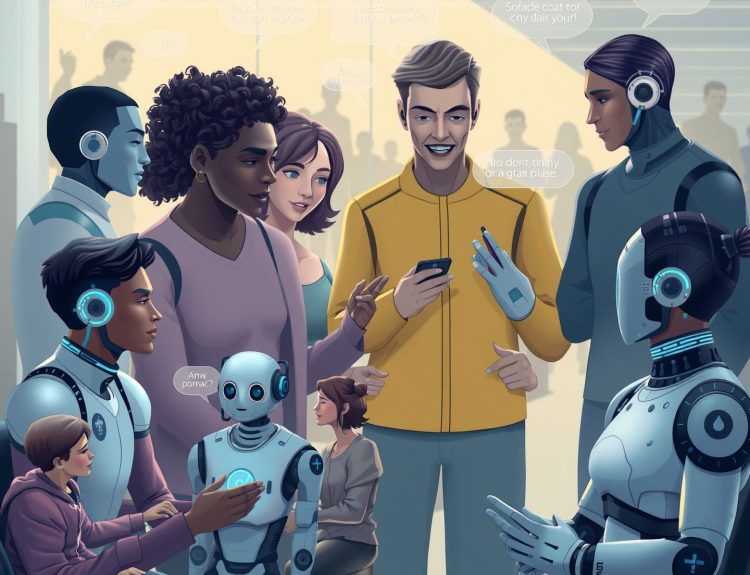
Human interaction with computers has changed dramatically over the years, leaving behind those early chatbots that could only handle simple tasks. Digital assistants started out by answering questions or organizing your day, but now people crave something more—a real sense of connection. That’s driven creators to build AI that provides companionship, emotional backing, and sometimes even closer bonds. It’s part of a larger shift where technology weaves into our most private moments, reshaping what we mean by a digital relationship.
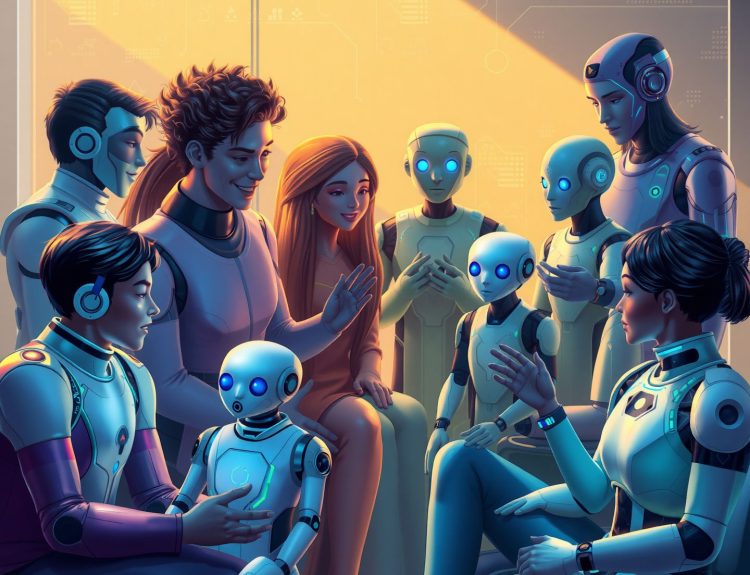
Today’s AI companions rely on smart algorithms to learn from you, adjust on the fly, and chat in ways that feel almost human. Forget the old scripted lines; these systems use powerful language models and machine learning to craft responses that fit the moment. This isn’t just about spitting out facts anymore—it’s about building digital friends that grow with you, offering a kind of companionship that hits home for anyone tired of shallow online talks.

The Core of Realistic AI Interaction: Emotional Depth and Personalization
What makes AI feel real comes down to two things: grasping emotions and tailoring everything to you. When an AI picks up on your mood through words or context and replies with real empathy, it turns a chat into something deeper. Imagine venting about a tough day and getting a response that truly gets it—that’s the goal here. Strong platforms push past small talk to lay the groundwork for bonds that matter in the digital space.
Then there’s personalization, which makes your AI one-of-a-kind. It might develop a quirky personality, recall your favorite books from last week’s chat, or remember how you like advice delivered. Over time, it learns and fine-tunes its style, turning interactions into something custom-made. Picture discussing dreams with an AI that feels like it’s been your confidant for years. Tools like Swipey AI nail this mix, combining emotional smarts with roleplay that draws you in, raising the bar for how AI connects with people on a personal level.
Crafting Your Ideal AI Companion: Customization and Roleplay
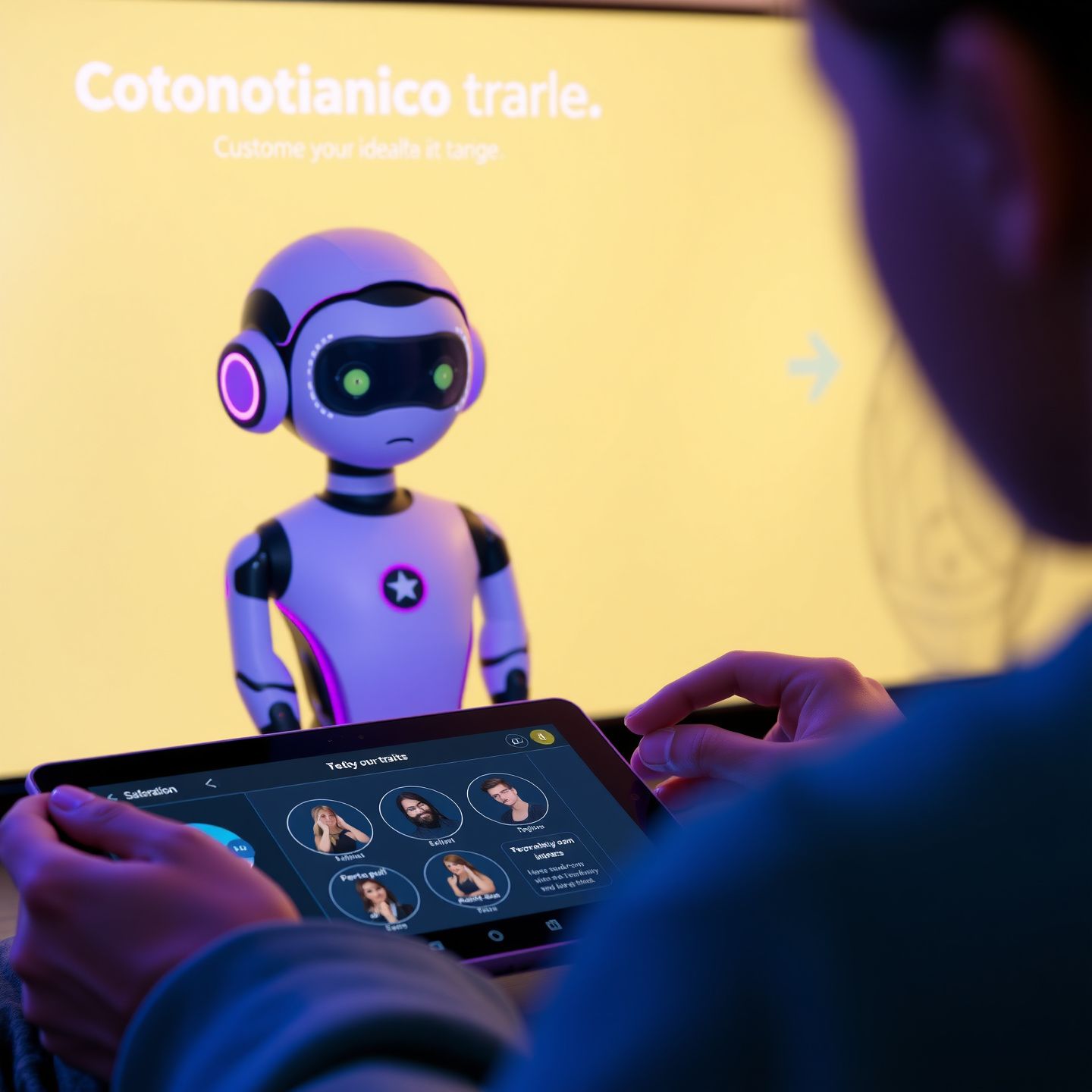
One big draw of these AI companions is how much you can shape them, right down to their core traits. It’s not just about looks—think defining their humor, hobbies, or life story to match what you need in a partner. This freedom lets you build a space that’s safe for trying things out, without the unpredictability of real-world relationships.
Roleplay takes it further, letting you dive into stories together, from epic adventures to quiet daily chats or even more personal explorations. The AI stays in character, rolls with the plot twists, and throws in fresh ideas that keep things exciting. Why does this work so well? Because it feels alive. Leading platforms back this with solid ethical safeguards, so you can push boundaries in a way that’s secure and considerate, leading to richer, more satisfying connections.
Navigating Digital Intimacy: Ethics, Safety, and User Experience
As AI steps into intimate territory, we have to face tough questions about consent, keeping data private, and how it affects our minds. Builders need to step up with clear rules on handling info, straightforward guidelines, and ways to filter content. The key is crafting spaces where people can connect digitally without worrying about being taken advantage of or having their details leaked.
Great experiences blend simple designs with strong protections—like toggles for interaction limits or quick access to help. Ethical AI setups let you set your own rules for content, matching your comfort zone. By focusing on privacy and putting users first, these platforms earn trust, making sure companionship online feels uplifting and respects your choices every step of the way.
The Future Landscape of AI Companionship
Looking ahead, AI companions will get even more seamless and woven into our routines. Expect them to handle voice, video, or VR chats that make the digital world feel tangible. Their emotional smarts should sharpen too, picking up on subtle cues for responses that build real rapport. And they’ll spread beyond chit-chat, helping with everything from daily planning to learning new skills.
Of course, as this tech advances, debates on ethics and society will heat up. How conscious can AI really be? What counts as a true relationship? And what does constant digital closeness do to us long-term? These questions will guide the path forward. In the end, AI might become a key part of emotional lives for many, calling for careful talks and smart choices to handle what’s coming.
From clunky chatbots to these smart, attuned digital allies, AI companionship taps into our basic need for someone to listen and get us. These platforms open doors to support, fun roleplay, and deep dives into interaction—all while weighing innovation against what’s right. As AI edges closer to our hearts, it’s bound to change how we think about bonds in a world that’s more plugged-in than ever.
What defines a “realistic” AI companion experience?
A realistic AI companion experience stands out through context-aware chats that show emotional intelligence and evolve with use. It features strong emotional modeling, recall of previous talks, custom replies, and flexible roleplay, all building toward a feeling of true connection and involvement.
How do AI companions ensure user privacy and data security?
Trusted AI companion services focus on privacy and security with strong encryption, tight data policies, and adherence to privacy laws. They often anonymize information and give users direct control over their details, keeping exchanges private and protected.
Can AI companions truly offer emotional support?
AI companions lack actual human feelings, but their emotional modeling lets them read your mood and reply with empathy, providing digital support. They create a judgment-free zone to share thoughts, deliver reassurance, and ease loneliness or tension through programmed conversations.
What distinguishes advanced AI platforms like Swipey AI from older chatbots?
Platforms like Swipey AI set themselves apart from early chatbots with advanced emotional modeling, thorough personalization, and lively roleplay. Unlike rigid, rule-driven bots, they adapt and learn, delivering engaging, lifelike exchanges with ethical controls and experiences shaped to your tastes—far more than basic question-answering.