The Digital Echoes of ‘Brynn Woods Leaked’: Understanding Online Content & Privacy in the Modern Age
Every so often, the term “Brynn Woods leaked” pops up in online conversations, pulling focus to one person’s story amid unauthorized sharing of content. Though the intimate details of such cases stay out of the spotlight, they spotlight a larger issue: the tangled web of digital privacy, who owns what we create online, and how we should act in this always-connected space. Here, we’ll dive into the world of leaked online material, taking the buzz around figures like Brynn Woods as a starting point to unpack digital security headaches, ways to shield personal data, and the real fallout for those hit by sudden exposure.
Think about how our online lives now mirror who we are offline. With so much of daily existence shifting to screens, that divide between what’s shared openly and what’s kept close gets hazy fast—sometimes with results no one saw coming. Chasing after leaked stuff, no matter the type, taps into a shared itch for the forbidden, but it calls for careful steps and a real grasp of the morals at play when we scroll, share, or stumble on info. This isn’t about chasing headlines; it’s about building smarter, kinder habits as digital natives.

Understanding the Phenomenon of ‘Leaked’ Online Content
Today, leaked content usually means private stuff like photos, videos, texts, or files that end up spread around without the okay from those in them. It happens through all sorts of paths, from outright sabotage to simple slip-ups, and it throws major wrenches into keeping data safe and personal info locked down.
What leads to this kind of breach? It could be tech slip-ups—think flimsy passwords, scam emails that fool you, or outdated apps with holes hackers exploit to snag your secrets. People might get duped by smooth-talking tricks into handing over login details. Then there are the human factors: an ex spilling intimate shots out of spite, or something meant for one pair of eyes getting passed along without a thought. No matter how it starts, leaking private material strips away control over one’s own story and boundaries. Once it’s out there on the web’s endless stage, good luck pulling it all back—it’s like trying to unring a bell, leaving scars that stick around for anyone bold enough to venture online.
The Rise of Creator Platforms Like OnlyFans
Platforms such as OnlyFans have flipped the script on how people turn their creations into cash and connect with fans. Creators can gate premium stuff—often personal or adult-oriented—behind a paywall for loyal subscribers. For plenty of folks, it’s a real win: a way to own their voice, make ends meet, and chat directly with supporters who get it.
That said, putting yourself out there like this, even in a paid, walled-off setup, opens doors to privacy pitfalls you can’t ignore. Sure, these sites layer on protections, but nothing’s airtight in the wild digital jungle. Your work lives forever in bits and bytes, just waiting for a crack—maybe a fan who ignores the rules and reposts, or a big hack that cracks the vault. Creators end up juggling the perks of this gig economy with the nagging worry of leaks, so staying sharp about weak spots and curating your digital self becomes non-negotiable.
The Ethical and Legal Ramifications of Sharing Private Content
Getting involved with leaked material—spreading it, watching it, passing it on—comes with heavy moral and legal baggage. On the ethics side, dropping someone’s private files without their say-so is a straight-up assault on their space and self-rule. It feeds into a sneaky culture of peeping and turning people into objects, robbing them of respect and boiling them down to clickable bait. And it doesn’t stop with the first sharer; anyone who clicks through or saves it keeps the damage rolling, making the whole mess feel normal when it’s anything but.
Law-wise, many places now treat sharing intimate pics without permission as a big no-no. Across the U.S., states have rolled out revenge porn rules that criminalize distributing explicit images non-consensually—often as misdemeanors or worse, with fines or jail time on the line. These target the deep cuts from image abuse, like wrecked mental health or shattered reps. If the creator owns the rights, copyright claims could kick in too, private or not.
Other angles pop up as well. If leaks come with lies that harm, defamation suits might follow. Over in the EU, GDPR stands guard over personal info like photos, laying down tough rules for handling it and slapping hefty fines on violators—especially for touchy stuff. All this legal muscle gives victims a fighting chance and scares off bad actors, showing how we’re waking up to the need for solid digital morals and control over our own narratives.
The Impact on Individuals: Beyond the Digital Screen
When private content hits the open web, the damage spills way past pixels into real lives, hitting minds, bonds, and jobs hard. Those targeted often wrestle with raw emotions: waves of worry, deep sadness, embarrassment, or raw betrayal. Losing that shield of privacy can shatter you, fostering a constant edge of exposure that lingers like a shadow. Toss in online trolls piling on with hate, and the mental strain ramps up, turning a breach into full-blown torment.
On the social front, the shame tied to leaks can cut deep, pushing people away from friends, family, or even work circles—no matter if they did nothing wrong. Reputations take a hit that’s tough to shake, fraying ties and leaving folks sidelined. At work, it might mean getting fired on the spot, struggling to land new gigs, or watching career dreams crumble as bosses Google everything these days.
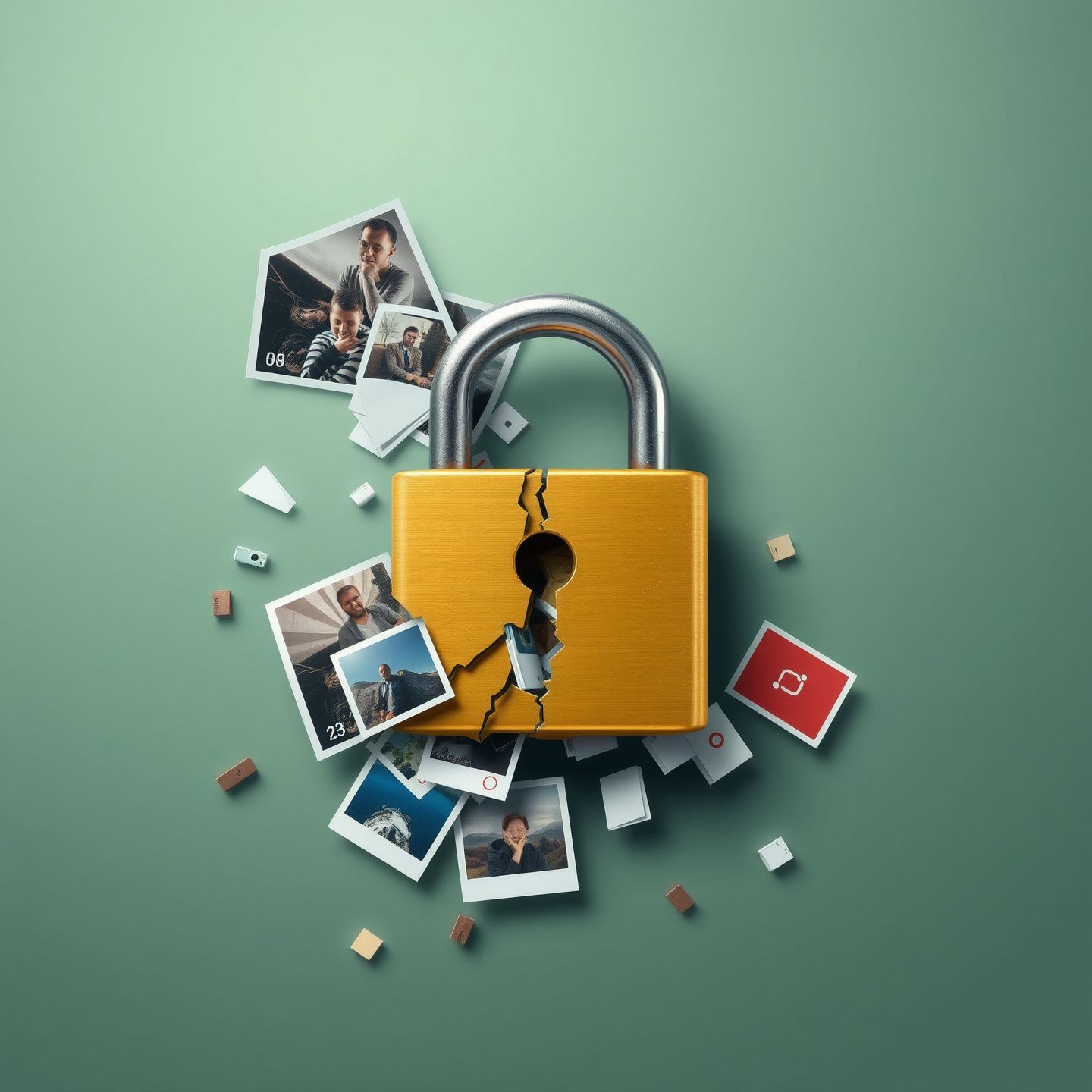
The ripple effects stretch on, demanding real help to process the pain and start fresh. Society has to step up with compassion here—blaming the victim just salts the wound. Spotting the innocence in these stories and pointing toward counseling or legal backup is key to letting people take back their power.
Protecting Your Digital Footprint: Strategies for Online Security and Privacy
With so much of life lived online these days, guarding your digital trail feels essential—like locking your doors in a busy city. Smart moves can slash the odds of your stuff getting swiped or splashed around. Start with passwords: craft tough ones that differ for each site, and lean on a trusted manager to keep track without the hassle. Layer on two-factor authentication whenever it’s offered; even if someone snags your login, that extra step blocks them cold.
Don’t sleep on your platform settings either—check them often and tweak who sees what. From posts to profiles, you can dial in access to just the people you trust, keeping outsiders at bay. And when it comes to sharing snaps or stories, pause and think: even with buddies, one forward can snowball. What feels safe in the moment might echo forever.
Good habits round it out. Steer clear of dodgy emails or links that scream scam, update your apps and devices to seal known cracks, and run solid antivirus gear. If something slips out, know the drill for flagging it—platforms usually have quick-report tools for rule-breakers, including unwanted private shares. Pull these together, and you’re not just safer; you’re in the driver’s seat, handling the web with eyes wide open.
Conclusion: Navigating the Complexities of Online Identity and Information
Talk around “Brynn Woods leaked” keeps bubbling up, nudging us to face how our online selves tangle with creation, privacy battles, and the ethics we owe each other. It lays bare the soft spots in digital life while calling out our roles as users. As screens claim more of our time, we’ll keep hashing out what’s fair game versus off-limits, pushing for fresh takes on right and wrong in this space.
In the end, building a better web takes everyone pitching in—from tougher laws and tech fixes to plain old awareness and kindness. Put privacy first, push for decent habits, and get the weight of what we do online. That way, stories like Brynn Woods’ get handled with care, not clicks, steering us toward a net where openness doesn’t mean getting burned.
Frequently Asked Questions about Online Privacy and Leaked Content
What are the legal consequences for sharing someone else’s private content without consent in the US?
In the US, sharing private, sexually explicit content without consent often violates state “revenge porn” laws, which can result in misdemeanor or felony charges, fines, and jail time depending on the jurisdiction. Victims may also file civil suits for privacy invasion, defamation, or emotional distress. If the creator owns the copyright, federal laws like the Copyright Act could apply as well.
How can individuals protect their privacy and content on platforms like OnlyFans and other social media?
Individuals can safeguard their privacy by:
- Creating strong, unique passwords and turning on two-factor authentication (2FA).
- Checking and updating privacy settings regularly to control content visibility.
- Thinking twice before sharing personal details, even with close contacts.
- Reviewing platform terms on content ownership and sharing rules.
- Steering clear of suspicious links or unknown downloads.
- Using watermarks or digital rights tools for sensitive material.
Is it illegal to simply view or download “leaked” content, even if I don’t share it?
Viewing or downloading leaked content for personal use isn’t typically illegal on its own in most places, where the law zeroes in on sharing and distributing without permission. That said, it poses serious ethical issues and can fuel the cycle of harm from non-consensual acts. Legal trouble usually hits when you spread, reshare, or make money off it.
What steps can someone take if their private photos or videos have been leaked online?
If private content leaks, act quickly:
- Capture evidence like screenshots and links.
- Report it to the hosting platform for takedown.
- Alert law enforcement about the incident.
- Consult a lawyer for your legal options.
- Use services that scan and remove leaked material online.
- Update passwords and boost account security.
What resources are available for victims of online harassment or non-consensual image sharing?
Support options include:
- The National Center for Missing and Exploited Children (NCMEC) for handling image-based abuse.
- The Cyber Civil Rights Initiative (CCRI) offering legal help and emotional care.
- Mental health experts focused on digital trauma.
- Local police or the FBI’s Internet Crime Complaint Center (IC3).
- Groups like the Electronic Frontier Foundation (EFF) for digital rights guidance.
How do social media platforms typically respond to reports of “leaked” or unauthorized content?
Leading platforms enforce rules against non-consensual intimate imagery (NCII) and unauthorized shares. When reported, they check against guidelines and laws; violations often lead to content removal and account penalties like suspensions or bans. Speeds vary, but these issues get fast-tracked more than ever.
What is the difference between public and private content in the context of online sharing?
Public content means material shared openly for anyone to see, like posts on unrestricted profiles or sites. Private content stays limited, protected by settings, passwords, or direct sends to select people. This line matters hugely for ethics and law—crossing it with private stuff breaks trust, while public items are fair game by design.