Introduction: Addressing the ‘Slayeas Leaks’ Phenomenon Responsibly
Picture the internet as this vast, buzzing hub where people connect and express themselves like never before. Yet it comes with real pitfalls, especially when it comes to keeping personal info safe and content from getting twisted. Folks searching for “Slayeas leaks” or “Lea Martinez content” show just how much curiosity swirls around private stuff from creators that’s been shared without permission. Here, we’re not pointing anyone toward that material. Instead, we’ll break down the messy issues tied to these leaks, stand up for digital privacy, and push for smarter ways to interact online. Think of this as a clear-eyed look at how to shield creators in today’s wild digital scene—one that skips the hype and aims for real understanding and care.
Who is Slayeas (Lea Martinez) and What is Her Content?
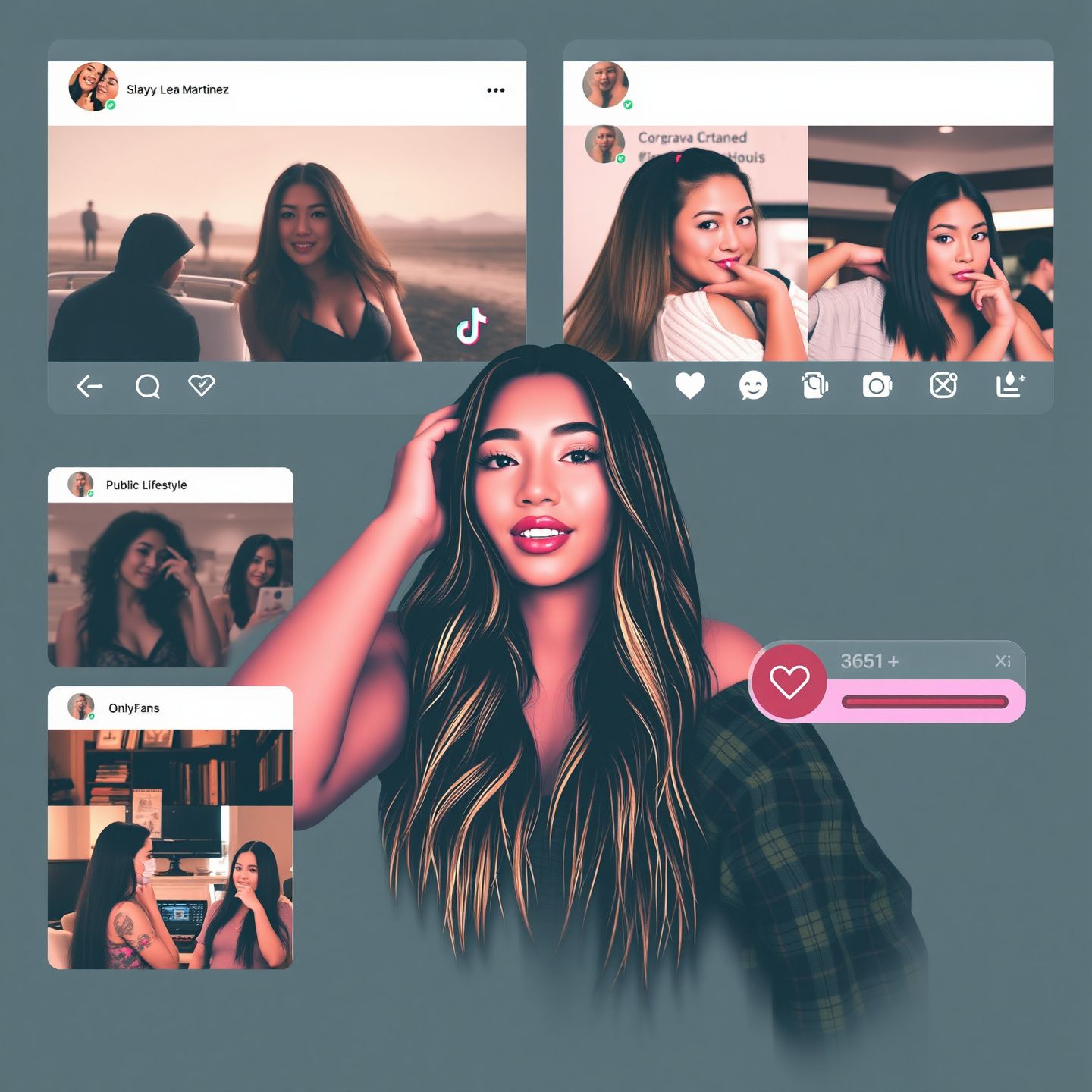
Lea Martinez, better known as Slayeas, has carved out a solid spot in the world of social media and paid content sites. She’s part of that wave of modern creators who use places like OnlyFans, Fanhouse, TikTok, and Instagram to build ties with fans and turn their passions into paychecks. What you see from her in public? It’s mostly everyday life snippets, fashion tips, and personal stories that draw people in and create a loyal following.
Over on paid sites such as OnlyFans and Fanhouse, she—and others like her—doles out special content to those who subscribe. This could be anything from casual behind-the-scenes peeks to more up-close photos or clips that match what fans crave. The deal here is straightforward: subscribers pay for access, and in return, that stuff stays locked away, just for them. It’s all about that direct link between the creator and their supporters, built on mutual agreement.
The Anatomy of a Content Leak: How Private Media Spreads Online

Imagine your private photos or videos slipping out into the wild without your say-so—that’s a content leak in action, and it’s a total betrayal of trust. These things don’t just happen by accident; they stem from sneaky tactics like hackers breaking into phones or accounts, or even people manipulating friends to spill secrets. Bad actors pounce on weak spots in security, or sometimes use old connections to snag what they want.
After the initial grab, that content gets duplicated and flung across the web in no time, often before the creator even notices. Why does it catch on? A mix of nosy curiosity and the wrong idea that digital files are fair game once they’re out there. This sparks a shadow market where pilfered pics and videos get swapped around, keeping the damage going. Grasping how this all unfolds helps us see the huge hurdles creators like Slayeas face in guarding their online lives.
Common Platforms and Communities Involved in Leaked Content Sharing
You’d be surprised at the corners of the web where leaked private content pops up and gets passed around. Reddit subreddits sometimes buzz with talk or links until mods shut them down, while deeper, less-watched forums fly under the radar with minimal oversight. Apps like Telegram, with their end-to-end encryption, make it easy for closed groups to share stuff quietly, complicating efforts to hunt it down.
Then there are sites built around explicit material that scoop up and catalog unauthorized files. Names like Erome, Fapello, and LeakGallery come up a lot in these circles for stocking or pointing to massive troves of leaks. We’re not giving these any thumbs up—far from it—but calling them out shows the tangled web of how this content moves. Once it’s in those systems, wiping it out becomes a real battle.

The Devastating Impact: Real-World Consequences for Content Creators
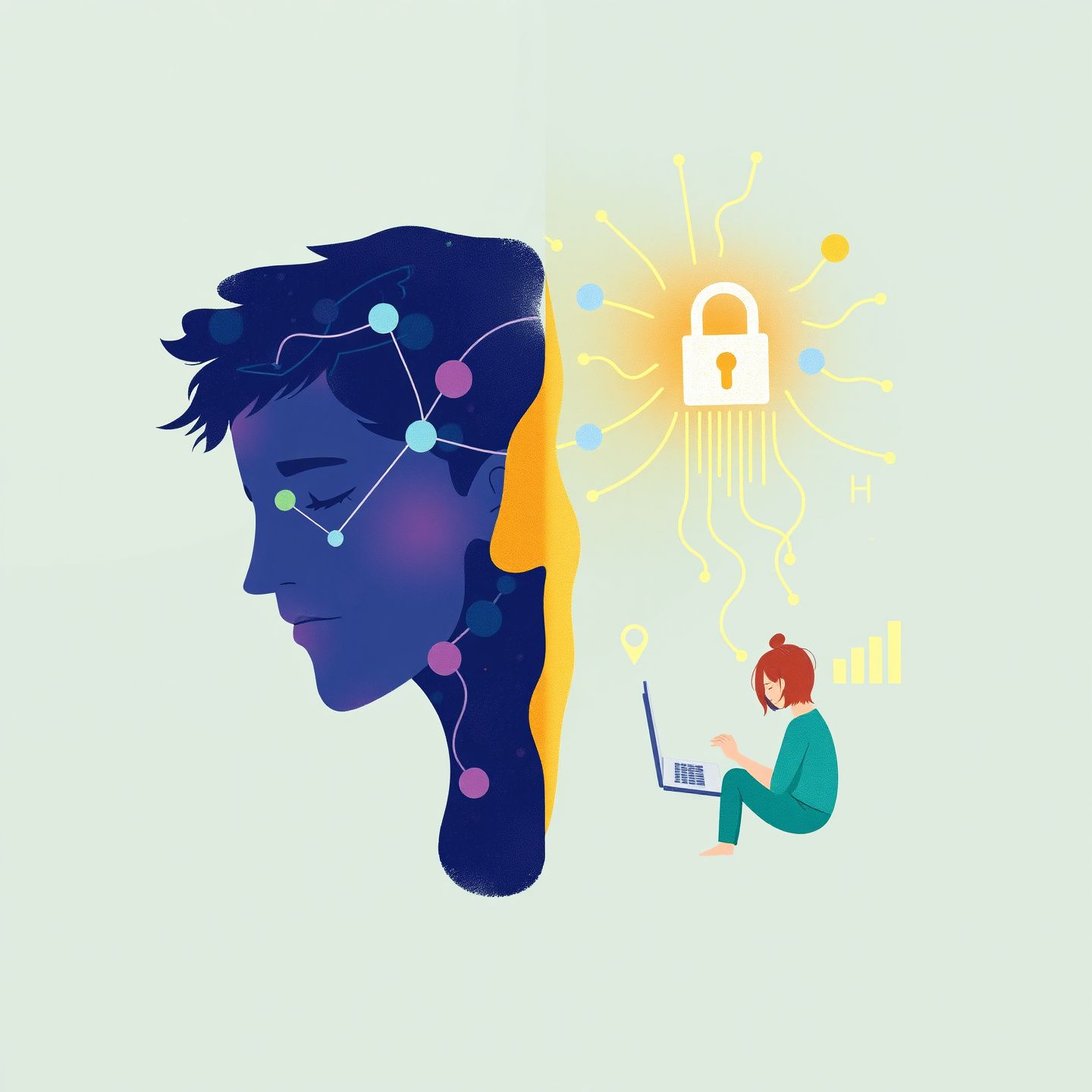
What starts as a digital slip-up quickly turns into a nightmare that hits creators like Slayeas—or Lea Martinez—on every level. Money-wise, it’s a gut punch: subscribers bail when exclusive stuff goes public for nothing, slashing revenue and threatening their main source of income. For someone living off this work, it’s not just a setback—it’s survival at stake.
And the emotional side? It’s brutal. Many creators describe waves of anxiety, deep sadness, and a raw sense of being exposed and let down. When those hidden moments hit the open, it invites nonstop trolling, creepy followers, and blows to their name that spill over offline. Trust shatters, vulnerability sets in deep, and too often, people step away from the spotlight entirely. It’s a stark reminder of the personal wreckage these online slips leave behind.
Legal and Ethical Frameworks: Understanding Digital Rights and Consent
Handing out someone’s private content without their okay isn’t just rude—it’s often straight-up illegal, especially in places across the West. At the core, it’s copyright theft: creators own their work, public or not, and spreading it without permission breaks laws like the U.S.’s Digital Millennium Copyright Act. That setup lets owners demand takedowns of copies popping up elsewhere.
Privacy rules add another layer, with growing protections against sharing intimate images against someone’s will. Think “revenge porn” statutes in U.S. states and EU nations—they make it a crime to distribute explicit stuff without consent, complete with fines or jail time. On the ethics front, consent is everything when it comes to personal media. Dipping into leaks ignores that, feeding a mindset that dismisses people’s control over their own stories. Sticking to these rules and morals is key to building an online space where everyone feels secure.

Proactive Measures: Protecting Digital Privacy for Content Creators
Creators can’t just hope for the best—they need to build defenses from the ground up. Start with the basics: craft passwords that are tough to crack and unique to each account, then layer on two-factor authentication to block easy break-ins. Don’t stop there; dig into the privacy controls on every site you use, tweaking them to limit who gets eyes on your posts.
A VPN can shield your browsing, particularly on sketchy public networks, by scrambling your data trail. Hold back on sharing details, even with folks you think are solid, and keep work and home lives digitally apart where possible. Back everything up to secure offline spots, and stay sharp about dodgy emails or messages that scream scam. In the end, staying informed and alert beats most threats.
Debunking Misinformation: Identifying Fake Leaks and Rumors
Navigating leak talk online feels like wading through fog—plenty of it turns out to be bogus, doctored, or pinned on the wrong person. Shady types whip up fakes or stir up gossip to cash in on the buzz, drive clicks, or shake down targets. Spotting the phonies matters, not just to dodge trouble but to keep from adding to the mess.
So, how do you cut through? Treat every “leak” claim like it’s suspect. Check for oddities—blurry edges, mismatched settings, or faces that don’t quite fit. Scrutinize the origin: a legit report, or some faceless post? Line it up against what the creator says officially, or reliable spots. Jumping on unproven stuff? It fuels rumors and piles stress on the person in the crosshairs, real leak or not. Why risk it?
Conclusion: Fostering a Responsible and Respectful Digital Environment
All the chatter around “Slayeas leaks” points to a bigger clash online: our itch for easy access clashing with the right to keep things private. As we’ve unpacked, these incidents aren’t tabloid fodder—they’re deep cuts that wreck lives for people like Lea Martinez. Fixing this goes beyond knowing it’s bad; it calls for all of us to step up, platforms to crack down harder, and laws to stay sharp on digital protections.
Let’s focus on doing right: respecting the rules around sharing without permission, and giving creators tools to stay safe. That way, we shape the web into something better—where agreement, privacy, and basic respect aren’t optional, but the norm. It could turn this chaotic space into one that truly lifts people up.
Is the content attributed to “Slayeas” actually leaked, or is some of it fabricated?
Online buzz about “Slayeas leaks” is full of traps, with misinformation everywhere. Some material might be real private content shared without permission, but much of it could be made up, altered, or wrongly linked to her. Stay doubtful and don’t spread anything unconfirmed.
What are the legal repercussions for individuals in the US or EU who share private content without consent?
Sharing intimate private content without consent in the US or EU can bring heavy penalties. It might involve copyright claims, privacy breaches, or revenge porn charges, leading to big fines or jail. Sites must take down violating content when properly reported.
As a content creator, what are the most effective steps I can take to prevent my work from being leaked?
To protect your content, go for strong, unique passwords plus two-factor authentication on every account; tweak privacy settings on platforms; share personal info sparingly; run a VPN for secure connections; and back up files offline safely. Watch for phishing and tricks too.
If I find my private content shared without permission, what are the immediate steps I should take to have it removed?
Capture proof right away—screenshots and links. Report it to the hosting site via their abuse or DMCA tools. If it’s bad, talk to a lawyer focused on online rights or privacy.
Is Lea Martinez the real identity behind the online persona “Slayeas”?
Yes, Lea Martinez is commonly known as the person behind “Slayeas,” based on public profiles and related online talks.
How do platforms like OnlyFans and Fanhouse address content privacy and leaks?
These platforms ban unauthorized sharing in their rules and offer reporting for creators. They use moderators and DMCA to pull down bad content, but with so much volume and easy spread, it’s a constant fight.
What resources are available for victims of non-consensual image sharing or digital privacy violations?
Look to groups like the Cyber Civil Rights Initiative in the US or EU privacy bodies for help. Legal aid for image-sharing victims exists too, alongside platform reporting guides and support.
What is the ethical responsibility of a viewer when encountering potentially leaked content online?
Don’t view, share, or hype possible leaks—doing so hurts the creator. Report it to the site and step back to honor their privacy and worth.
Are there any specific laws in Western countries targeting websites that host or facilitate the sharing of leaked private content?
Laws such as the US DMCA let owners force removal of copies. Revenge porn rules in many Western spots can nail people or sites for enabling non-consensual shares of intimate material, with protections growing over time.
How can one differentiate between genuine fan content and unauthorized “leaks” of a creator?
True fan content comes with the creator’s go-ahead or pulls from public sources. Leaks are private or paid exclusives dumped without permission. Watch for labels like “leaked” or “free access” to paid stuff—they usually signal trouble.