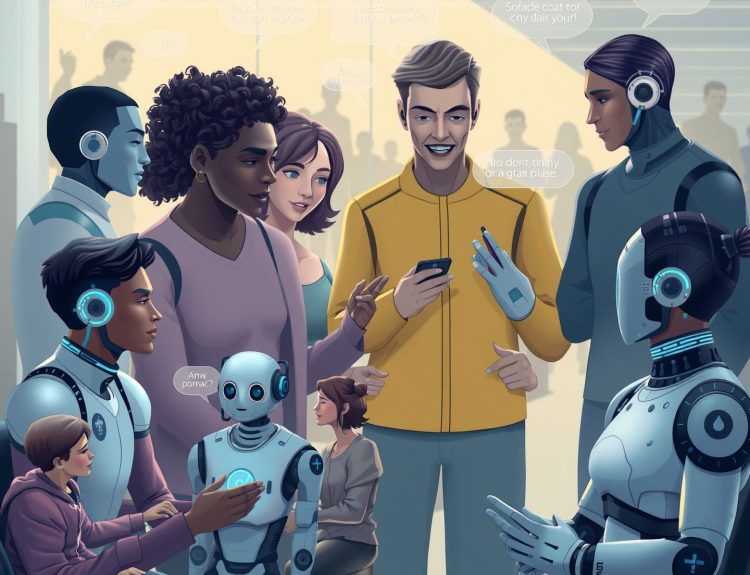
The Shifting Landscape of Digital Companionship

Companionship looks entirely different now, in our digital age, than it did just a decade ago. It’s evolved from basic online chats and clunky bots into a rich world of AI-driven partners that deliver real-feeling talks and genuine support. This change mirrors how people crave connection amid shifting social norms—think busy lives, remote work, or the quiet isolation that can creep in despite constant online buzzing.
Today’s digital companions draw on top-tier AI to mimic lifelike dialogue and emotional depth. Available round the clock on your phone or laptop, they fill voids in everyday interactions. More folks are leaning on these AIs not just for chit-chat, but for venting frustrations, finding comfort, or simply feeling less alone—a clear sign that tech is weaving deeper into how we nurture our emotional lives.
Advancements in AI and Emotional Intelligence
At the heart of these sophisticated companions are leaps in natural language processing and emotional AI. These tools let systems grasp not only words, but the subtleties: a sarcastic edge in your voice, the frustration behind a short reply, or the hope in a question. Trained on mountains of real conversations, the AIs craft replies that hit the right note—relevant to the moment, tuned to your feelings, and so natural they blur the line with talking to a friend.
Emotional tracking takes it further. The AI picks up on your moods across sessions, recalling what you shared last time or how certain topics light you up. This builds a responsive dynamic, where responses grow more attuned over time, offering empathy that feels custom-made. It’s like nurturing a friendship: each exchange layers on, turning casual talks into something deeper and more rewarding.
Personalized Experiences and User Engagement
What sets these platforms apart is how they put you in the driver’s seat, crafting experiences that feel tailor-made. You might tweak the AI’s vibe—maybe outgoing and witty, or calm and thoughtful—along with its look or imagined history, so it mirrors what you need right now. That personal touch pulls you in, transforming a screen chat into something intimate, far from the one-size-fits-all feel of older tech.
Then there are the roleplay options and story-driven adventures, letting you test out different sides of connection in a low-stakes space. Take Swipey AI, for example: it mixes sharp emotional insights with flexible scenarios, delivering roleplays that shift with your energy. Whether you’re unwinding after a tough day or exploring a fantasy, these interactions adapt seamlessly, building a quiet intimacy that lingers.
Addressing Ethical Considerations and User Well-being
For all the upsides, this tech’s fast pace brings real questions about ethics and how it affects us. What happens if we start depending too much on an AI for our social fixes? Or when the boundary between real bonds and simulated ones gets fuzzy, potentially messing with our mental health? The key is keeping things grounded—enjoy the immersion without losing sight of what’s artificial.
Good developers prioritize openness, teaching users what to expect, and layering in safeguards like content filters and privacy shields. These steps guard against pitfalls, handle data responsibly, and encourage use that boosts well-being rather than replaces it. Tackling these issues head-on helps ensure the tech supports us without unintended costs.
The Future Trajectory of AI Companionship

Looking ahead, AI companions will likely blend even more seamlessly into our routines, getting sharper at decoding the full spectrum of human feelings. Expect replies that capture every nuance, plus interactions that jump from text to voice chats, video calls, or even VR hangouts. In some moments, spotting the difference from a human might prove impossible, sparking big debates on what connection truly means.
As the tech refines, it could branch into targeted help—like guiding through learning challenges or easing anxiety in therapy-like sessions—solidifying its spot as a force for better living. Innovation here points to a world where these digital presences ease loneliness, spark growth, and add real value, all under thoughtful oversight.
This arc of digital companionship echoes our timeless drive for closeness, now supercharged by AI’s possibilities. From those early, stiff chatbots to companions that echo our emotions, it’s reshaping our tech relationships. With ongoing tweaks for realism, personalization, and ethics, these tools are set to transform companionship itself—opening fresh paths to empathy and shared understanding in a wired-up era.
What defines a modern AI companion?
A modern AI companion stands out through advanced artificial intelligence, especially natural language processing and emotional modeling, enabling realistic, tailored conversations. Unlike basic chatbots, it recalls previous talks, adjusts to your likes, and mimics emotional reactions to build a feeling of rapport and insight.
How do AI companions offer emotional support?
AI companions provide emotional support by listening closely, affirming emotions, and delivering responses that match your current state. As they learn from ongoing chats, they spot recurring themes and offer fitting reassurance or solace, giving a judgment-free outlet for sharing thoughts.
Are there ethical considerations for AI companionship?
Yes, key ethical issues include risks of over-dependence, manipulation potential, data privacy, and confusion between human and AI bonds. Ethical practices focus on clear communication, user awareness, and strong guidelines to safeguard well-being and promote balanced engagement.
What are the privacy implications of using AI companions?
AI companions often require sharing personal details and chat histories, sparking privacy worries. Be mindful of data handling practices. Trusted platforms use encryption, data anonymization, and straightforward policies to secure information and maintain trust.
How realistic can AI companionship become?
AI companionship grows more lifelike with each update, supporting fluid talks and custom fits today. Looking forward, gains in emotional depth and formats like voice or video could make interactions feel remarkably human, delivering deeply engaging encounters.