Navigating Digital Personas: Understanding Online Content Creators and Their Platforms

The way people present themselves, connect, and share ideas online has fundamentally changed over the past decade. From personal social media profiles to professional content enterprises, digital personas now shape how we communicate, build communities, and even earn a living. Whether someone is posting photos on Instagram, sharing thoughts on X (formerly Twitter), or producing in-depth videos on YouTube, their online presence contributes to a vast, evolving ecosystem of user-generated content. This shift hasn’t just altered individual behavior—it’s redefined entire industries, giving rise to what’s now known as the creator economy.
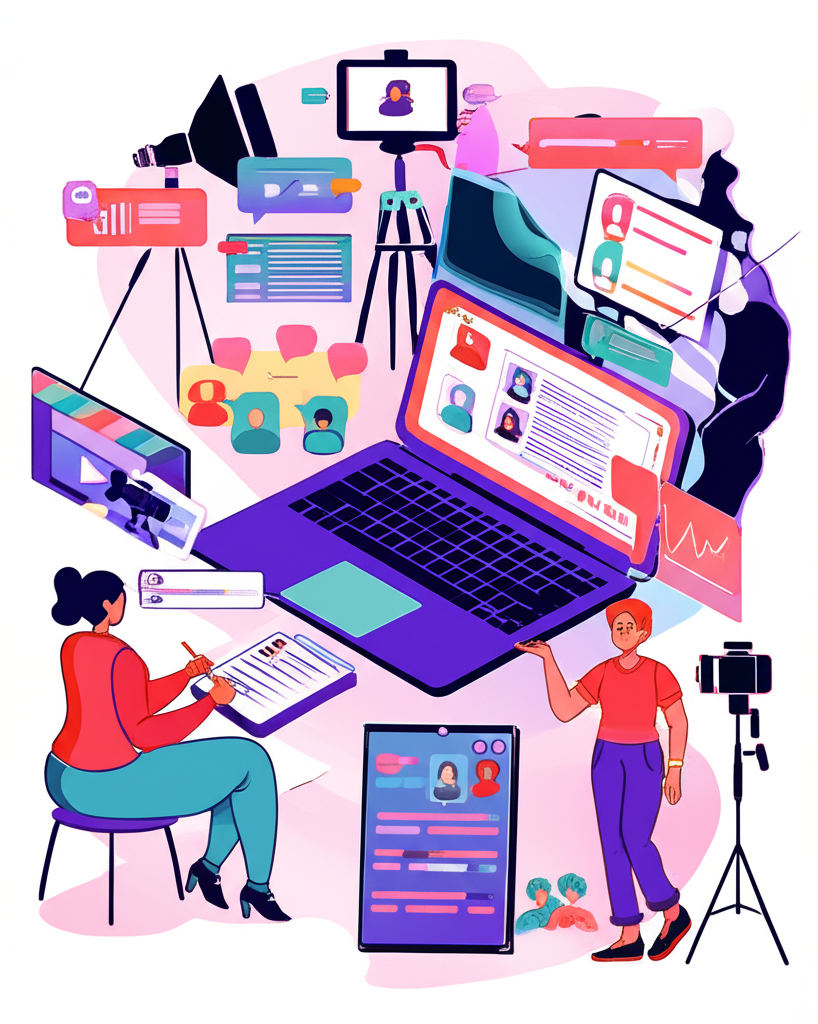
Today, anyone with a smartphone and an internet connection can become a publisher, broadcaster, or entrepreneur. The lines between audience and creator have blurred, enabling real-time conversations, niche communities, and new forms of monetization. As this digital landscape grows more complex, understanding the platforms, motivations, and ethical considerations behind online content becomes essential—not just for creators, but for every internet user navigating this space.
Understanding the Digital Creator Landscape
The explosion of accessible technology and global connectivity has turned content creation into a viable career path for millions. What began as informal sharing on early social networks has matured into a dynamic economy where creators build brands, engage audiences, and generate income through diverse digital channels. Behind every successful online presence is a strategic approach to platform use, audience engagement, and personal branding.
The Rise of Online Personas and User-Generated Content
An online persona is more than just a profile picture and bio—it’s the curated version of oneself that users present across digital spaces. On LinkedIn, it might reflect professional achievements and industry expertise. On Instagram or X, it could showcase lifestyle, humor, or creative expression. These personas are built through user-generated content (UGC), which includes everything from short-form videos and blog posts to podcast episodes, product reviews, and social commentary.
What drives people to create? For many, it’s about connection—finding others who share similar interests, values, or experiences. Some creators use their platforms to educate, offering tutorials, financial advice, or mental health insights. Others focus on entertainment, building followings through comedy, storytelling, or viral trends. And for a growing number, content creation is a full-time job, with monetization strategies that allow them to sustain their work.
This democratization of media means that traditional gatekeepers—publishers, studios, networks—no longer hold exclusive control over what gets seen. Instead, audiences now have direct access to creators, often forming deeper, more personal relationships than those possible through mainstream media. However, this shift also raises questions about authenticity, mental health, and the long-term impact of living part of one’s life in the public eye.
Key Platforms for Content Sharing: An Overview
Not all platforms serve the same purpose, and successful creators understand how to leverage each one based on its strengths and audience demographics. Choosing the right platform—or combination of platforms—is critical for reaching the intended audience effectively.
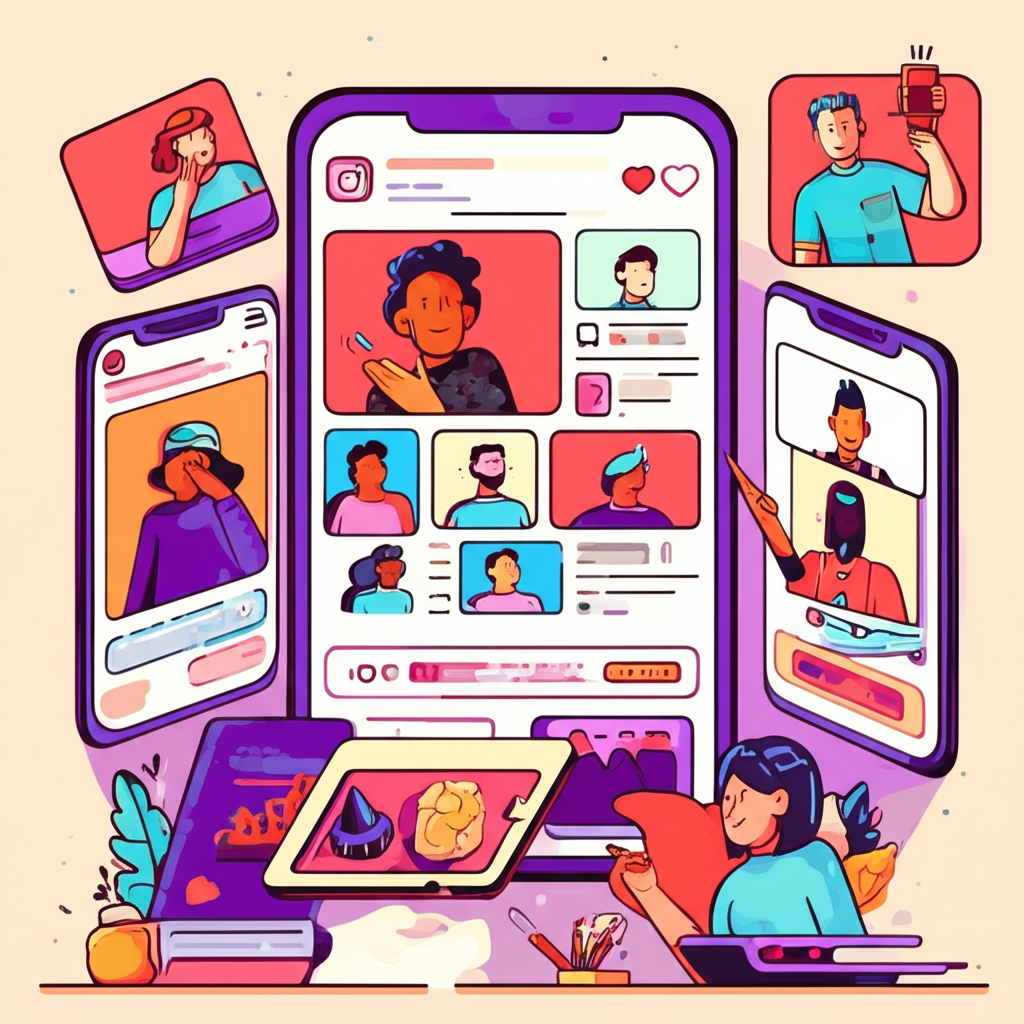
Social media platforms like X and Instagram are often the starting point for building visibility. X excels at fast-moving conversations, breaking news, and thought leadership, allowing creators to share concise updates, engage in debates, and link to longer-form content. It’s particularly popular among journalists, tech influencers, and political commentators. Instagram, by contrast, thrives on visual storytelling. Photographers, artists, fashion influencers, and lifestyle creators use its photo and video features—especially Stories and Reels—to craft immersive experiences and maintain consistent branding.
When it comes to video content, YouTube and TikTok dominate. YouTube supports long-form content such as documentaries, educational series, and vlogs, and offers robust analytics that help creators refine their strategy. TikTok, with its algorithm-driven discovery model, rewards creativity and engagement, often propelling unknown users to viral fame in days. Its short, vertical format has influenced content styles across other platforms, including Instagram Reels and YouTube Shorts.
Then there are subscription-based platforms like OnlyFans, Patreon, and Substack. While OnlyFans is widely associated with adult content, its underlying model—direct monetization through fan subscriptions—is used across creative fields. Musicians, writers, fitness trainers, and artists use these platforms to offer exclusive content, behind-the-scenes access, or personalized interactions. This direct-to-audience approach fosters loyalty and provides more predictable income than ad-based models.
Ultimately, the most successful creators don’t rely on a single platform. They build cross-platform ecosystems—using X for real-time engagement, Instagram for visual branding, YouTube for in-depth content, and a subscription service for exclusive offerings—creating a cohesive digital presence that reaches fans wherever they are.
Deconstructing the “Woodbabi” Search Query
Search engines act as gateways between users and the vast digital world. The way people phrase their queries often reveals what they’re really looking for—whether it’s information, entertainment, or access to exclusive content. Terms like “woodbabi nude” suggest a specific intent, often tied to a particular online figure. But these searches also highlight broader issues around digital identity, search ambiguity, and how algorithms interpret user behavior.
What Drives Searches for Specific Creators and Content?
When someone searches for a name like “woodbabi,” especially with modifiers like “nude,” the intent is usually clear: they’re looking for content associated with a specific creator, often of an intimate or private nature. This type of search frequently stems from exposure elsewhere—perhaps through a mention on social media, a referral in a private group, or word-of-mouth in online communities.
For many users, the appeal lies in accessing material that isn’t available on free platforms. Subscription services enable creators to offer exclusive or mature content, and audience demand fuels curiosity. Some fans are loyal supporters, willing to pay for a closer connection. Others may be driven by fleeting curiosity or the allure of taboo content. Whatever the motivation, these search patterns reflect a larger trend: audiences are increasingly seeking personalized, niche, or private experiences online, moving beyond the generic content offered by mainstream platforms.
This shift underscores the growing power of individual creators. Rather than relying on mass appeal, many now cultivate dedicated fanbases willing to support them financially. It also highlights the importance of discoverability—how users find creators in the first place, and how search engines mediate that process.
The Ambiguity of Digital Names: A Case Study
Digital identities aren’t always unique. The term “woodbabi” may refer to a specific content creator, but due to phonetic similarities or partial keyword matches, search engines might return results for unrelated public figures—such as actress Evan Rachel Wood. This kind of ambiguity is common online, especially when names are misspelled, stylized, or creatively adapted.
Search algorithms attempt to interpret intent by analyzing spelling patterns, pronunciation, location, and even a user’s past behavior. So a search for “woodbabi” might be corrected or expanded to include “Evan Rachel Wood” if the system detects a likely connection. While this can help users find what they’re looking for, it can also lead to confusion, misinformation, or unintended exposure.
This phenomenon illustrates the gap between user intent and machine interpretation. It also raises concerns about digital reputation—how easily someone can be associated with content or identities they’re not connected to. According to research from the Pew Research Center, a significant number of internet users report encountering unexpected or misleading results during searches, reinforcing how complex and unpredictable the digital discovery process can be.
Navigating Online Content: Privacy, Ethics, and Responsible Consumption
As online content becomes more pervasive, the need for digital literacy, privacy awareness, and ethical behavior grows. Whether you’re a creator or a consumer, your actions leave a lasting imprint. Understanding how to navigate this space responsibly is no longer optional—it’s essential.
Building and Protecting Your Digital Footprint
Every like, comment, share, and post adds to your digital footprint—the trail of data you leave behind while using the internet. For content creators, this footprint is often public and intentional, forming the foundation of their brand. But for everyday users, it can accumulate silently, revealing more than intended.
Protecting your digital presence starts with simple but powerful steps. Regularly review the privacy settings on your social media accounts, email services, and apps. Understand what information is visible to the public, your friends, or third-party advertisers. Use strong, unique passwords and enable two-factor authentication to reduce the risk of account breaches. Be mindful of what you post—once something is online, it can be screenshotted, shared, or archived, even if later deleted.
Awareness of data collection practices is equally important. Platforms track browsing behavior, location, and engagement patterns to personalize ads and content. Regulations like the GDPR in Europe and the CCPA in California aim to give users more control over their data, but staying informed is key. A Statista report shows that a majority of internet users are concerned about how their personal information is collected and used, underscoring the need for proactive privacy management.
The Ethics of Content Creation and Consumption
The digital world introduces unique ethical challenges. For creators, the line between authenticity and performance can blur. There’s pressure to maintain engagement, which sometimes leads to exaggerated narratives, undisclosed sponsorships, or the sharing of overly personal content. Ethical content creation means being transparent—clearly labeling ads, acknowledging editing or AI use, and obtaining consent when featuring others.
Equally important is the issue of boundaries. Creators who share intimate or explicit material must ensure all participants are fully informed and consenting. Exploitative practices, whether through manipulated content or coerced sharing, have no place in a responsible digital ecosystem.
Consumers also bear responsibility. Engaging ethically means avoiding the spread of misinformation, respecting creators’ work, and recognizing the human behind the screen. Critical thinking is essential—questioning sources, verifying claims, and understanding potential biases. It also means participating constructively in online communities, rather than contributing to harassment or negativity.
The collective impact of online content shapes cultural norms and public discourse. Both creators and users play a role in fostering an environment that’s inclusive, truthful, and respectful.
The Future of Online Content and Creator Economy
The digital content landscape is far from static. Driven by technological innovation, shifting user expectations, and evolving regulations, it continues to transform at a rapid pace. For creators, platforms, and audiences alike, staying informed about emerging trends is crucial for long-term success and responsible participation.
Trends in Digital Content Monetization
The creator economy has moved beyond reliance on ad revenue alone. Today, creators use a mix of strategies to generate sustainable income. Subscription models, popularized by platforms like OnlyFans and Patreon, allow fans to pay directly for exclusive content, early access, or personalized interactions. This model offers financial stability and strengthens the creator-fan relationship.
Brand partnerships remain a major revenue stream. Influencers collaborate with companies to promote products in ways that feel natural and authentic. But audiences are savvy—disclosure is not just ethical, it’s often legally required. Transparency builds trust, which is essential for long-term audience retention.
Direct sales are another growing trend. Creators sell merchandise, digital products like e-books or photo presets, online courses, or one-on-one consulting services. This approach leverages brand loyalty and offers tangible value beyond content alone.
Even traditional ad revenue still plays a role, especially on platforms like YouTube, where high-view videos can generate significant income. But the most successful creators diversify, reducing dependency on any single source and building resilience in an unpredictable digital market.
Evolving Platform Policies and User Expectations
As the digital ecosystem expands, platforms face increasing pressure to balance freedom of expression with safety and accountability. Content moderation policies are constantly updated to address misinformation, hate speech, harassment, and illegal material. These changes directly affect what creators can publish and how audiences engage.
At the same time, data privacy regulations are reshaping how platforms operate. Laws like GDPR and CCPA require companies to be more transparent about data collection and give users greater control over their information. This impacts everything from targeted advertising to content personalization.
User expectations are also evolving. People want platforms that are safe, transparent, and respectful of their rights. There’s growing demand for ethical AI use, clear community guidelines, and tools that allow users to customize their experience. Creators, in turn, must adapt to these changes, ensuring their content complies with platform rules and aligns with audience values.
The interplay between regulation, platform policy, and user behavior will continue to define the future of online content. Those who stay informed and adaptable will be best positioned to thrive.
FAQ: Understanding Online Content & Digital Identity
1. What are the common ways content creators build an audience online in the US/EU?
In the US and EU, creators typically build audiences through a multi-platform strategy that includes:
- Social Media: Regular posting and active engagement on platforms like Instagram, X (formerly Twitter), TikTok, and YouTube.
- Niche Communities: Participating in relevant online forums, subreddits, or Facebook groups to connect with targeted audiences.
- SEO and Content Marketing: Optimizing blogs, videos, and posts for search engines and promoting content through email newsletters or cross-platform sharing.
- Collaborations: Partnering with other creators to tap into new follower bases and co-create engaging content.
2. How can I protect my personal information when engaging with online content and creators?
To safeguard your personal information:
- Use Strong Passwords: Create unique, complex passwords for different accounts and enable two-factor authentication wherever possible.
- Review Privacy Settings: Regularly update privacy controls on social media and subscription platforms to limit data exposure.
- Be Mindful of Sharing: Avoid disclosing personal details like your address, phone number, or financial information in public comments or direct messages.
- Educate Yourself: Read privacy policies to understand how platforms and creators handle your data.
- Use a VPN: Consider a Virtual Private Network for added security, particularly on public Wi-Fi networks.
3. What are the differences between various online content platforms like social media and subscription services?
The key differences involve access, function, and monetization:
- Social Media (e.g., Instagram, X): Free to use, focused on public sharing and interaction, primarily monetized through advertising. Content is widely accessible.
- Video Sharing (e.g., YouTube): Free to view, optimized for video content, monetized via ads and optional premium subscriptions (e.g., YouTube Premium).
- Subscription Services (e.g., Patreon, OnlyFans): Require payment for access to exclusive or premium content, enabling direct financial support from fans and fostering closer creator-fan relationships.
4. How do search engines interpret ambiguous or specific creator names like “woodbabi”?
Search engines use advanced algorithms to analyze queries. For ambiguous terms like “woodbabi,” they may:
- Search for exact matches: Prioritize pages containing the precise term.
- Check phonetic similarities: Suggest results based on how the word sounds (e.g., Evan Rachel Wood).
- Correct for common misspellings: Offer alternative spellings or related names.
- Personalize results: Adjust suggestions based on your location, search history, and device. This can lead to varied outcomes, some accurate and others misleading.
5. What are the ethical considerations involved in sharing and consuming user-generated content?
Key ethical issues include:
- Consent: Ensuring all individuals in content have given informed permission, especially for sensitive material.
- Privacy: Respecting personal boundaries and avoiding the unauthorized sharing of private information.
- Authenticity: Being honest about sponsorships, edits, and the use of AI-generated elements.
- Impact: Considering how content might affect individuals or communities, both positively and negatively.
- Responsible Consumption: Evaluating content critically, avoiding misinformation, and engaging respectfully.
6. Can online content impact my professional or personal digital footprint in Western countries?
Yes. In Western countries, employers, schools, and personal contacts often review public online activity. Your digital footprint can:
- Influence job opportunities: A professional online presence can enhance your credibility, while inappropriate posts can harm your chances.
- Shape personal reputation: Public content affects how others perceive you socially and professionally.
- Affect long-term outcomes: Once content is online, it can persist for years, making thoughtful management essential.
7. Are there resources for understanding content moderation and platform policies in the US/EU?
Yes. Reliable resources include:
- Platform Help Centers: Official guides from Google, Meta, X, and others detailing content rules and enforcement.
- Academic Research: Studies from universities on digital ethics, free speech, and platform governance.
- Non-profit Organizations: Groups like the Electronic Frontier Foundation (EFF) and European Digital Rights (EDRi) that advocate for user rights.
- Government Websites: Official US and EU portals providing information on digital laws and online safety.
8. What are the trends shaping the future of the creator economy in North America and Europe?
Major trends include:
- Diversified Monetization: Moving from ad reliance to subscriptions, direct sales, and brand collaborations.
- AI Integration: Using AI tools for content creation, editing, analytics, and audience engagement.
- Web3 Technologies: Experimenting with NFTs and decentralized platforms for greater creator ownership.
- Vertical Video Dominance: Growth of short-form, mobile-optimized content on TikTok, Reels, and Shorts.
- Increased Regulation: More government oversight on data privacy, content standards, and creator labor protections.
9. How can individuals responsibly navigate the vast amount of content available online?
Responsible navigation involves:
- Critical Thinking: Questioning sources, checking facts, and identifying bias.
- Media Literacy: Understanding how content is produced, edited, and distributed.
- Time Management: Setting limits on screen time to prevent burnout.
- Mindful Engagement: Participating in respectful, constructive conversations.
- Seeking Diverse Perspectives: Exploring content from different cultures, ideologies, and backgrounds to broaden understanding.
10. What are the potential risks and benefits of engaging with content creators on various platforms?
Benefits include:
- Access to exclusive content, learning new skills, entertainment, and building community.
Risks include:
- Privacy exposure: Accidentally sharing personal data.
- Scams or misinformation: Falling for fraudulent offers or false claims.
- Online harassment: Encountering cyberbullying or toxic comments.
- Emotional impact: Developing unrealistic expectations or parasocial attachments.
Engaging mindfully helps maximize benefits while minimizing risks.