Why Online Privacy Matters More Than Ever in 2025

In today’s hyperconnected world, personal data moves faster than ever—across platforms, borders, and devices. Every click, search, and message leaves a trace, often collected without consent or awareness. A single security flaw can trigger a chain reaction, exposing sensitive details to cybercriminals, advertisers, or even government surveillance. This isn’t just speculation. Recent reports show that over 4.1 billion records were exposed in data breaches during the first quarter of 2025 alone. The consequences range from identity theft to long-term reputational damage. As digital footprints grow, so does the need for robust privacy protections.
The Hidden Cost of Sharing Online

Many users assume their online activity is anonymous or harmless. But behind the scenes, companies use advanced tracking tools to build detailed profiles—your location, shopping habits, political views, even health concerns. These profiles are then used to manipulate behavior through targeted ads or sold to third parties. Worse, once your data is out there, you lose control over how it’s used. A leaked email or password can lead to account takeovers. A geotagged photo might reveal your home address. The illusion of privacy is especially dangerous in the age of AI sex games and deepfake technology, where stolen images can be weaponized without consent. Privacy isn’t just about secrecy—it’s about autonomy.
How to Take Back Control of Your Digital Life
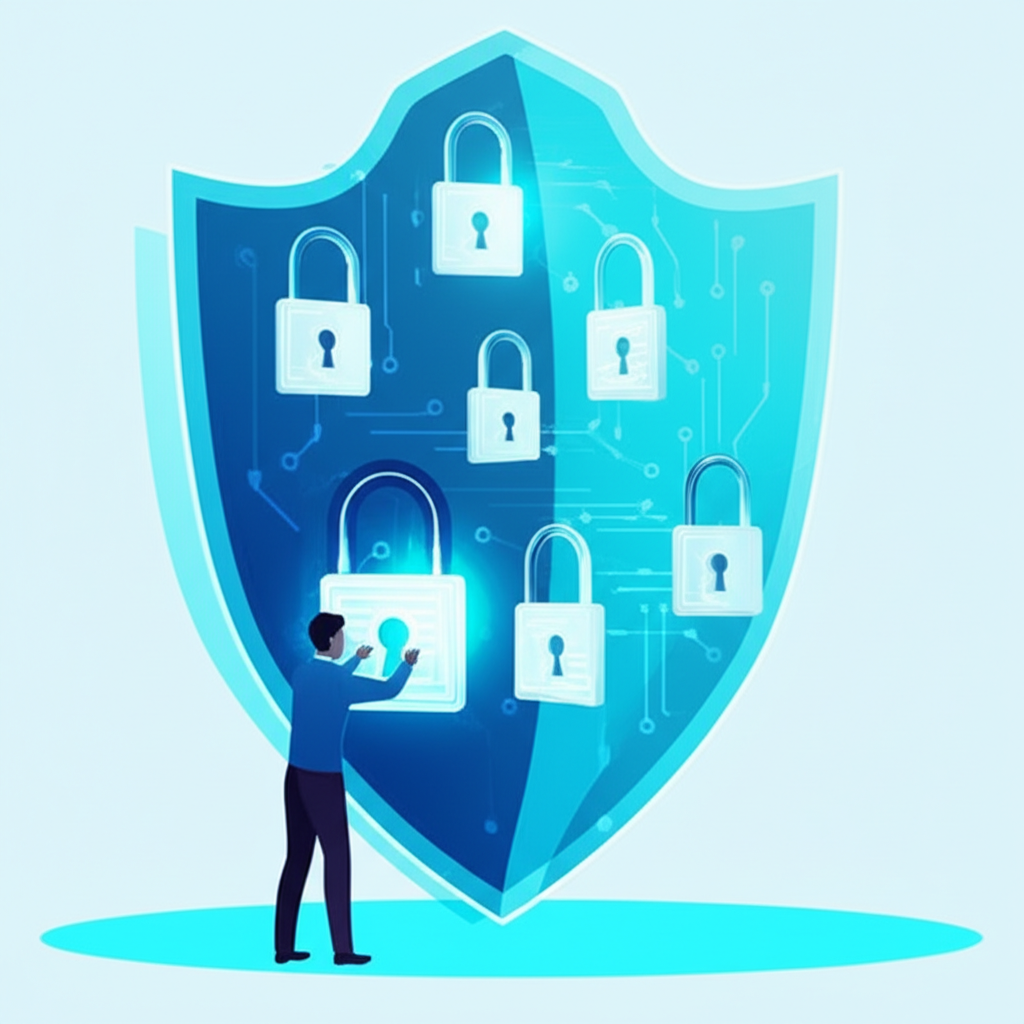
Protecting your online presence doesn’t require technical expertise—just awareness and consistent habits. Start by enabling two-factor authentication on all major accounts. Use a reputable password manager to generate and store complex passwords. Limit app permissions, especially for access to your microphone, camera, or contacts. Consider switching to privacy-focused browsers like Brave or Firefox, and install tracker-blocking extensions such as uBlock Origin or Privacy Badger. For communication, opt for end-to-end encrypted platforms like Signal. And always review privacy settings on social media—many platforms default to public sharing. Small changes create a strong defense against mass data collection.
Building a Culture of Digital Responsibility
Privacy isn’t just an individual concern—it’s a collective one. Governments are beginning to respond with stronger regulations like the EU’s GDPR and the U.S. proposed American Data Privacy and Protection Act. But enforcement remains inconsistent. Tech companies must be held accountable for transparent data practices and ethical AI development. At the same time, public education plays a crucial role. Schools, workplaces, and communities should promote digital literacy, teaching people how to recognize scams, understand privacy policies, and protect personal information. When users demand better standards, innovation follows. The future of the internet depends on trust, and trust starts with privacy.
Frequently Asked Questions
What is online privacy?
Online privacy refers to the ability to control what personal information you share on the internet and who has access to it. This includes your browsing history, location data, messages, and account details.
Why is data privacy important?
Data privacy protects you from identity theft, financial fraud, and unauthorized surveillance. It also safeguards your freedom of expression and prevents misuse of sensitive information by corporations or malicious actors.
How can I protect my privacy online?
You can enhance your online privacy by using strong passwords, enabling two-factor authentication, installing privacy-focused browser extensions, avoiding public Wi-Fi for sensitive tasks, and regularly updating your software.
What are common online privacy threats?
Common threats include phishing attacks, data breaches, unsecured apps, social engineering, and tracking technologies like cookies and fingerprinting scripts that monitor your behavior across websites.
Are AI sex games a privacy risk?
Yes. Many AI sex games collect intimate user data, including personal preferences and chat logs. If not properly secured, this information can be exposed in breaches or exploited for blackmail, making data encryption and clear privacy policies essential.