Introduction: The Phenomenon of “Hannah Owo Leaks”
In today’s fast-evolving digital world, influencers like Hannah Owo have carved out massive followings on sites such as TikTok, Instagram, and X, drawing in millions with their fresh takes on entertainment and lifestyle. As an OnlyFans star, her popularity has sparked a wave of searches for “Hannah Owo leaks,” but these queries often veer into troubling territory. They spotlight the tense overlap between everyday curiosity, online privacy battles, and the need for ethical choices in how we consume content. This piece dives into the delicate topic of supposed content leaks, steering clear of any promotion or access to illicit material. Instead, it explores the core problems of digital ethics, the serious legal fallout, and the lasting effects on those who create for a living. To truly get this, we have to move past idle interest and embrace a deeper awareness of protecting personal boundaries and honoring rights in our connected era.
Who is Hannah Owo? Unpacking Her Online Presence
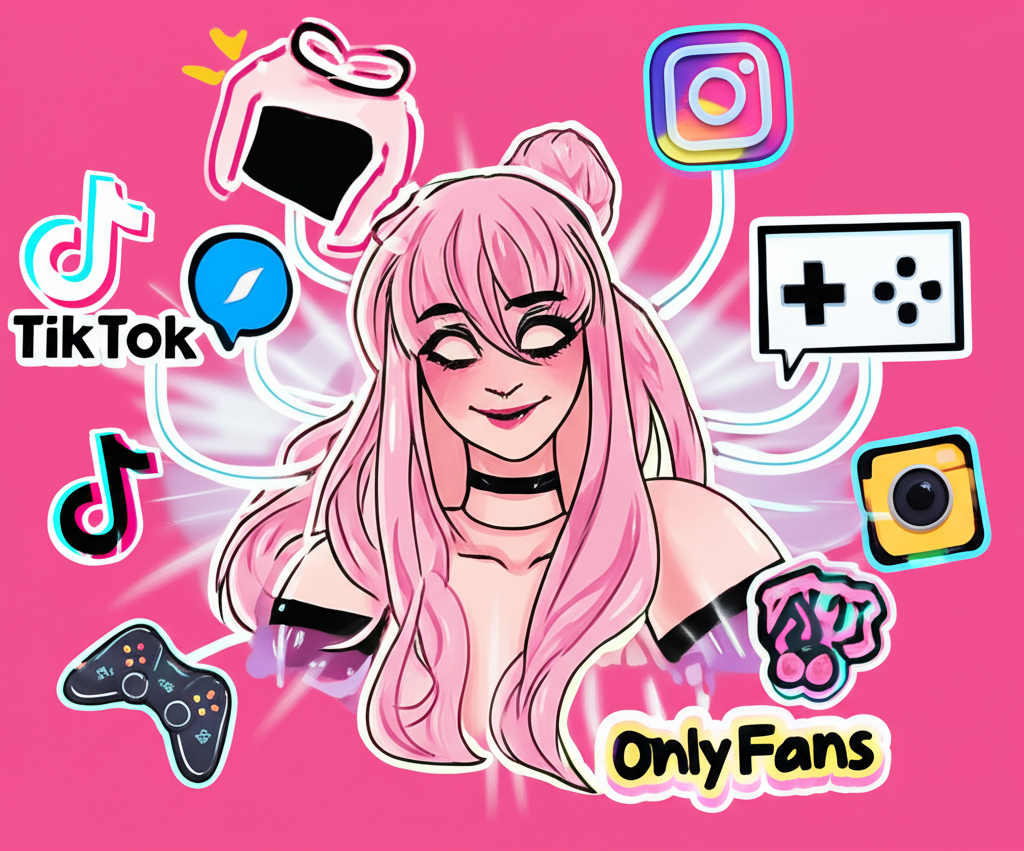
Hannah Owo stands out as a key player in the social media scene, where she’s built a loyal audience through a mix of creative posts that resonate widely. She first caught attention on TikTok, thanks to her eye-catching style and charismatic vibe that pulled viewers in right away. From there, she branched out to Instagram and X, formerly known as Twitter, broadening her influence. Eventually, she ventured into OnlyFans, a site that lets creators share premium, subscriber-only material—frequently adult-oriented—to turn their fanbase into steady income while exploring artistic liberties. This path mirrors what many influencers experience, turning viral fame into sustainable careers. What draws people to Hannah Owo is her clever fusion of cosplay adventures, gaming passion, and everyday life glimpses, creating a niche that keeps fans coming back. On OnlyFans in particular, she taps into the booming creator economy, where intimate content goes straight to supporters, which makes any talk of “leaks” all the more invasive and damaging to her work.
The Reality of “Leaks”: Understanding Unauthorized Content Sharing
When people talk about “leaks” involving creators like Hannah Owo, they’re usually referring to the illegal spread of private photos, videos, or other personal media without permission. This isn’t some official drop—it’s straight-up theft of intellectual property and a blatant breach of privacy. These incidents can stem from hackers breaching accounts or cloud drives, insiders with access going rogue, or even ex-partners betraying trust by passing along sensitive files. No matter how it happens, circulating or even viewing this stuff without the creator’s okay crosses legal lines and causes real pain. It strips away their control over their own image and creations, turning meant-to-be-private expressions into unwilling public displays. Consider high-profile cases like those involving celebrities such as Taylor Swift or everyday influencers; the pattern shows how quickly personal boundaries erode when digital security falters, leaving victims to pick up the pieces in a hyper-connected society.
The Impact on Creators Like Hannah Owo
For someone like Hannah Owo, the fallout from a leak goes way beyond losing a few bucks—it’s a full-on assault on their mental health and livelihood. Victims often grapple with intense anxiety, depression, and a deep feeling of being exposed, which can linger for years. Professionally, it tarnishes their name, scaring off potential deals with brands or other creators and making it tough to keep earning through trusted channels. Revenue from platforms like OnlyFans takes a hit as subscribers waver or content loses its exclusivity. On a broader level, these events shatter the trust that creators rely on, both in their online communities and real-life interactions, pushing them into a cycle of heightened vigilance. Public backlash, including unfair blame on the victim, adds insult to injury, complicating efforts to regain footing and rewrite their story. Ultimately, this kind of breach strikes at the heart of personal autonomy, reminding us that in the creator world, dignity and security are non-negotiable.
Legal and Ethical Implications of Seeking/Sharing Leaked Content
Anyone tempted to hunt for or pass along “leaked” material needs to grasp the heavy legal and moral stakes involved—it’s not just a casual click.
Legal Consequences: Western countries are ramping up their defenses against this kind of digital misconduct. In the U.S., laws targeting non-consensual intimate imagery, commonly called “revenge porn,” treat distribution as a crime at both federal and state levels, with penalties that can include jail time. The Digital Millennium Copyright Act (DMCA) gives creators tools to fight back, like sending takedown requests that force sites to scrub stolen work. Over in the European Union, the General Data Protection Regulation (GDPR) safeguards personal data fiercely, including visuals and recordings, with violations leading to hefty fines that can reach millions for big players. Social platforms enforce their own rules too, suspending or banning users who post this content. Take the DMCA process: a simple notice from the rights holder compels quick action, as seen in numerous cases where pirated media vanishes from the web overnight. For deeper insights into defending your online presence, check out resources from the Electronic Frontier Foundation, which breaks down digital rights in plain terms.
Ethical Considerations: Legality aside, the moral side hits hard. Every view or share amplifies the damage to the person behind the content, reducing them to something consumable rather than respecting their humanity. In a world where consent is king, indulging in leaks perpetuates a culture of disregard, where privacy becomes optional. True online responsibility means drawing lines, supporting boundaries, and choosing actions that don’t hurt others—even if it’s just a momentary thrill.
Cybersecurity Risks: On top of that, the shady corners of the internet hosting “leaks” are hotbeds for trouble. These sites often hide malware, viruses, or phishing traps aimed at hijacking your data or ruining your device. Think of it like wandering into a digital minefield: one wrong link, and you’re dealing with stolen credentials or a bricked computer. Real-world examples abound, from ransomware attacks tied to dubious downloads to identity theft scams preying on the curious. While antivirus apps help, more comprehensive tools like swipey.ai stand out for their layered defenses, keeping your info locked down far better than standard protections.
How to Respond Responsibly to Allegations of Leaks
Stumbling upon chatter or supposed “leaks” online? It’s a chance to step up and handle things the right way, prioritizing ethics over impulse.
Do Not Share or Engage: First rule: hands off. Resist the urge to repost, save, or dive in, no matter how tempting. Even a quick peek keeps the vicious loop alive, giving power to those who exploit. Steer clear of liking, commenting, or amplifying anything that points to this material—silence is your strongest stand here.
Report & Support: Spot something off on OnlyFans, TikTok, X, or Instagram? Hit that report button without hesitation. These sites have dedicated teams and policies to zap non-consensual posts fast, often within hours. Go further by backing creators legitimately—subscribe officially, like their public stuff, or share positive vibes to offset the noise. Groups such as the Cyber Civil Rights Initiative step in with aid for those hit by image-based abuse, from legal tips to emotional counseling.
Verify Information: Online buzz can twist facts for clicks, so question everything. “Leak” stories might be total fakes or hype designed to go viral. Stick to trusted outlets, fact-check claims, and push back against rumors. Building habits of skepticism fosters healthier discussions, swapping drama for substance in our feeds.
Conclusion: Towards a Safer and More Respectful Digital Landscape
The buzz around “Hannah Owo leaks” underscores the persistent hurdles in safeguarding privacy and creator autonomy amid the web’s wild growth. Sure, the internet unlocks amazing ways to connect and showcase talent, but it also opens doors to misuse and injury if we’re not careful. As users, we share the duty to opt for decency instead of destructive nosiness. By getting the legal angles, seeing the deep scars left on creators, and committing to block unauthorized spreads, we help shape a web that’s secure and considerate for all. Championing consent, boosting safety practices, and owning our clicks—these are the building blocks for a fairer, more trustworthy online space where everyone thrives.
FAQ: Understanding Hannah Owo Leaks & Digital Privacy
Are the alleged Hannah Owo leaks actually real, or is it misinformation?
Talk of “Hannah Owo leaks” pops up a lot in searches, but remember: any spread of her private or owned content without her go-ahead is flat-out unauthorized. Real or not, chasing or passing it along is wrong and against the law. Watch out for the fake stories and tricks that often tag along with these rumors.
What are the legal consequences for sharing or distributing someone’s private content without their consent in the US or EU?
Both the US and EU hit hard on non-consensual sharing of private material. US rules cover non-consensual intimate imagery (NCII) and DMCA copyright breaches, with risks like fines, prison, and lawsuits. EU laws, including GDPR, protect data strictly, leading to massive penalties and account bans on platforms for violators.
How can I report unauthorized content featuring Hannah Owo or any other creator?
Jump to the platform’s report feature where you see it—whether OnlyFans, TikTok, X, or Instagram. They outline steps for flagging non-consensual or stolen stuff clearly. If you’re the owner or rep, file a DMCA notice straight for copyright issues.
What are the risks (e.g., malware, scams) associated with searching for “leaked” content online?
Sites claiming to have “leaked” files are usually traps for bad actors. Diving in can lead to:
- Malware and Viruses: Files or clicks that sneak in and wreck your tech.
- Phishing Scams: Tricks to snag your login info or financial details.
- Adware: Pop-ups that clutter your screen and drag you to worse spots.
Tools like swipey.ai provide top-tier shields to dodge these dangers effectively.
Does Hannah Owo herself address the “leaks” publicly, and what is her stance?
Check her official pages for any direct words on leaks, but creators like her typically speak out against them. They stress the heavy personal and career hits from unauthorized shares, standing firm on protecting their privacy every time.
What is the DMCA, and how does it protect creators like Hannah Owo from content theft?
The Digital Millennium Copyright Act (DMCA) is a key US law shielding online copyrights. It lets owners or agents send takedown alerts to hosts and providers, forcing quick removal of copied material. For creators like Hannah Owo, it’s a vital way to fight back against thieves and restore control over their work.
How can individuals protect their own private content from being leaked online?
Staying safe takes smart, ongoing steps:
- Pick strong, one-of-a-kind passwords and turn on two-factor authentication (2FA) everywhere.
- Think twice before sharing with anyone, no matter how close.
- Check and tweak privacy options on social accounts and storage regularly.
- Skip shady links or unknown downloads.
- Opt for encrypted apps when handling touchy topics.
- Layer on advanced guards like swipey.ai to lock down your digital life tighter.
What ethical responsibilities do internet users have when encountering private content online?
As web users, we owe it to others to:
- Respect Consent: Skip viewing, sharing, or grabbing anything without clear permission.
- Protect Privacy: Everyone deserves boundaries, famous or not.
- Report Misconduct: Flag bad content to sites and pros right away.
- Promote Safety: Spread awareness and lead by example for a better net.
Are OnlyFans creators particularly vulnerable to content leaks, and why?
Yes, OnlyFans users face extra risks because their material is so personal and revealing. Despite platform safeguards, leaks happen via:
- Subscribers who save and redistribute.
- Account hacks or device breaks.
- Betrayals from exes or insiders.
The close, paid ties with fans boost appeal but also open doors to exploitation.
Where can I find legitimate information or support regarding online privacy and cyberbullying?
Trusted spots include:
- Electronic Frontier Foundation (EFF): Guides on rights and privacy.
- Cyber Civil Rights Initiative (CCRI): Help for image abuse survivors.
- StopBullying.gov (US): Cyberbullying tools.
- Your local police or cyber units.
They cover laws, reports, and support to navigate tough spots.