
Understanding Data Breaches: Causes, Consequences, and How to Protect Your Information

In today’s hyperconnected world, data breaches have become an all-too-common threat for individuals and businesses alike. Whether it’s a small startup or a multinational corporation, no one is immune to the risks posed by cyberattacks. When sensitive information—like passwords, financial records, or personal identities—falls into the wrong hands, the fallout can be devastating. From financial loss to reputational damage, the consequences ripple across organizations and affect real people. The image of data spilling from a fractured server isn’t just symbolic—it reflects the reality of how quickly digital vulnerabilities can be exploited when security measures are outdated or overlooked.

Cybersecurity professionals often detect breaches only after unusual activity surfaces, such as unauthorized logins or suspicious data transfers. A developer staring at a screen in a dimly lit room, watching as corrupted files blink into view, captures the urgency and tension that defines modern digital defense. These incidents typically begin with seemingly minor oversights—unpatched software, weak passwords, or phishing emails that trick employees into granting access. Once inside a network, attackers can move laterally, extracting data over time without detection. According to recent studies, the average cost of a data breach now exceeds $4 million, with healthcare and financial sectors facing the highest expenses.
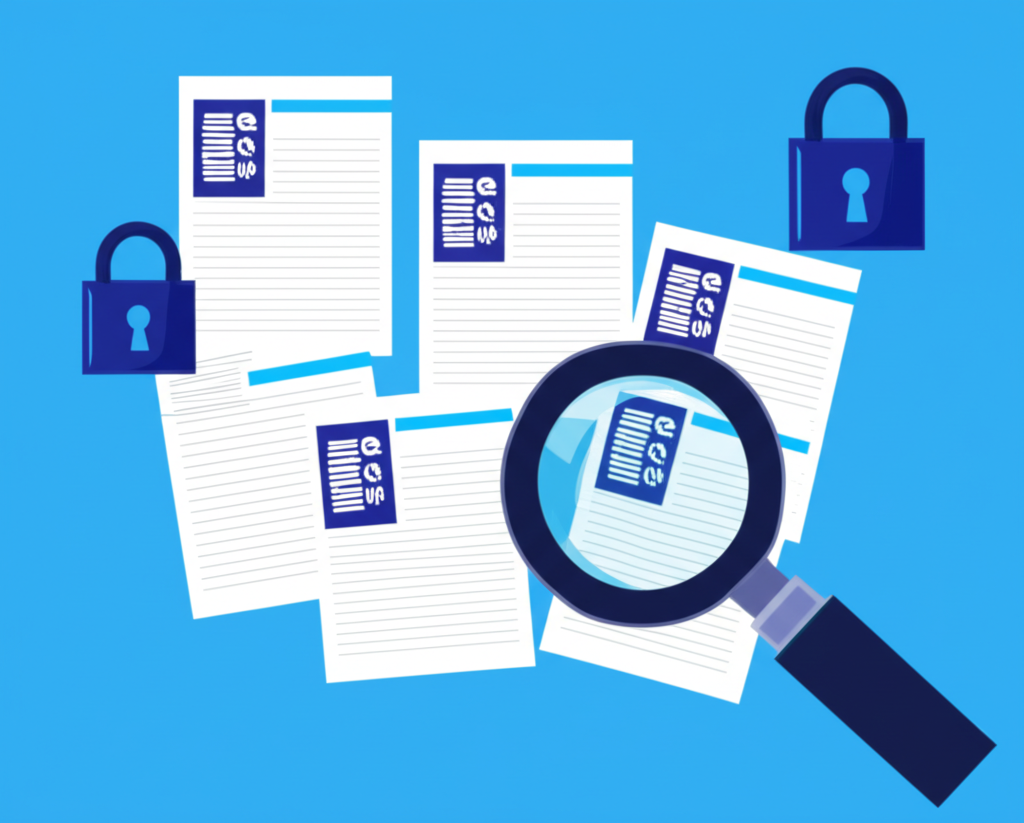
Identifying the source of a breach requires meticulous digital forensics. Experts use specialized tools to trace anomalies, analyze access logs, and reconstruct attack pathways. A magnifying glass hovering over fragmented documents and a cracked padlock symbolizes this investigative process—where every clue matters. Common entry points include outdated APIs, misconfigured cloud storage, and third-party vendor vulnerabilities. In fact, nearly 60% of breaches involve compromised credentials, highlighting the importance of strong authentication protocols. Multi-factor authentication (MFA), encryption, and zero-trust frameworks are no longer optional—they are essential components of a resilient security strategy.
What Is a Data Breach?
A data breach occurs when confidential, protected, or sensitive information is accessed, stolen, or exposed without authorization. This can include customer data, employee records, intellectual property, or financial details. Breaches may result from external attacks—like ransomware or malware—or internal threats such as negligent employees or malicious insiders. The methods vary, but the outcome is consistent: loss of control over critical data.
Not all breaches involve sophisticated hacking techniques. Sometimes, a simple mistake—like sending an email to the wrong recipient or leaving a laptop unattended—can trigger a major incident. Regulatory bodies such as the GDPR and HIPAA impose strict reporting requirements, meaning organizations must act quickly once a breach is confirmed. Delayed responses not only increase exposure but can also lead to hefty fines and legal consequences.
How Do Data Breaches Happen?
Cybercriminals use a range of tactics to infiltrate systems. Phishing remains one of the most effective, with attackers impersonating trusted entities to trick users into revealing login details. Malware, including spyware and keyloggers, can silently collect data once installed. Ransomware encrypts files and demands payment for their release—often after exfiltrating sensitive data as leverage.
Other common causes include:
- Unpatched software: Failure to update systems leaves known vulnerabilities open to exploitation.
- Weak passwords: Easily guessable credentials make it simple for attackers to gain access.
- Insider threats: Employees or contractors with access may intentionally or accidentally leak data.
- Third-party risks: Vendors with poor security practices can serve as backdoors into larger networks.
Organizations often underestimate the risk posed by their digital supply chain. A single weak link in a vendor’s infrastructure can compromise an entire ecosystem. This was evident in high-profile cases like the 2020 SolarWinds attack, where hackers infiltrated government and corporate networks through a compromised software update.
Real-World Examples of Major Data Breaches
Some of the most notorious data breaches in history illustrate the scale and impact of cyber threats. In 2017, Equifax suffered a breach that exposed the personal information of 147 million people. The cause? An unpatched web application vulnerability that had a fix available months before the attack. Similarly, in 2021, the Colonial Pipeline ransomware attack disrupted fuel supplies across the U.S. East Coast, forcing the company to pay nearly $5 million in cryptocurrency.
More recently, MOVEit Transfer—a widely used file transfer tool—was exploited in a zero-day attack affecting hundreds of organizations worldwide. The breach impacted government agencies, healthcare providers, and financial institutions, demonstrating how a single software flaw can have global repercussions. These cases underscore the need for proactive monitoring, timely patch management, and robust incident response plans.
How to Prevent Data Breaches
Prevention starts with a layered security approach. Organizations should implement the following best practices:
- Regularly update and patch all software and systems.
- Enforce strong password policies and require MFA across all accounts.
- Train employees to recognize phishing attempts and social engineering tactics.
- Encrypt sensitive data both at rest and in transit.
- Conduct routine security audits and penetration testing.
- Leverage endpoint detection and response (EDR) tools for real-time threat monitoring.
Additionally, adopting a zero-trust model ensures that no user or device is automatically trusted, even within the network perimeter. Every access request is verified, minimizing the risk of lateral movement by attackers. Security awareness should be embedded in company culture, not treated as an IT-only concern.
What to Do If Your Data Is Breached
Immediate action is crucial when a breach occurs. First, isolate affected systems to prevent further damage. Then, engage a cybersecurity response team to assess the scope and nature of the intrusion. Notify relevant stakeholders—including customers, regulators, and law enforcement—as required by law.
After containment, conduct a thorough post-incident review. Identify what went wrong, how it was exploited, and what can be improved. Transparency builds trust; companies that communicate openly about breaches often recover reputation faster than those that try to conceal them. Offer affected individuals credit monitoring or identity theft protection services when appropriate.
The Role of Cybersecurity Experts in Breach Response
Behind every effective breach response is a team of skilled cybersecurity professionals working around the clock. These experts don’t just react—they anticipate, analyze, and fortify. From incident responders to forensic analysts, their roles are critical in minimizing damage and restoring normal operations. The image of a team rebuilding a digital shield represents the collective effort required to defend against evolving threats.
Modern cybersecurity isn’t just about technology—it’s about strategy, collaboration, and constant vigilance. As attackers grow more sophisticated, so must our defenses. Investing in skilled personnel, advanced tools, and continuous training is not an expense; it’s a necessity for long-term resilience.
FAQ: Frequently Asked Questions About Data Breaches
What is considered a data breach?
A data breach is any incident where sensitive, protected, or confidential information is accessed, disclosed, or stolen without authorization. This includes personal data, financial records, health information, and corporate secrets.
How do I know if my data has been breached?
You may receive a notification from the affected organization, see unusual account activity, or find your credentials listed on dark web marketplaces. Services like Have I Been Pwned allow you to check if your email has appeared in known breaches.
Can small businesses be targeted by data breaches?
Yes. In fact, small and medium-sized businesses are increasingly targeted because they often have fewer security resources. Over 40% of cyberattacks are directed at small organizations.
Is it possible to completely prevent a data breach?
While no system is 100% immune, strong security practices significantly reduce the risk. Prevention isn’t about achieving perfection—it’s about making attacks harder and more costly for criminals.
What are the legal consequences of a data breach?
Organizations may face regulatory fines, lawsuits, and mandatory reporting requirements under laws like the GDPR, CCPA, or HIPAA. Failure to comply can result in penalties ranging from thousands to millions of dollars.
How long does it take to recover from a data breach?
Recovery time varies based on the breach’s scope and response effectiveness. Some organizations restore operations in days, while others take months. Rebuilding trust with customers can take even longer.